
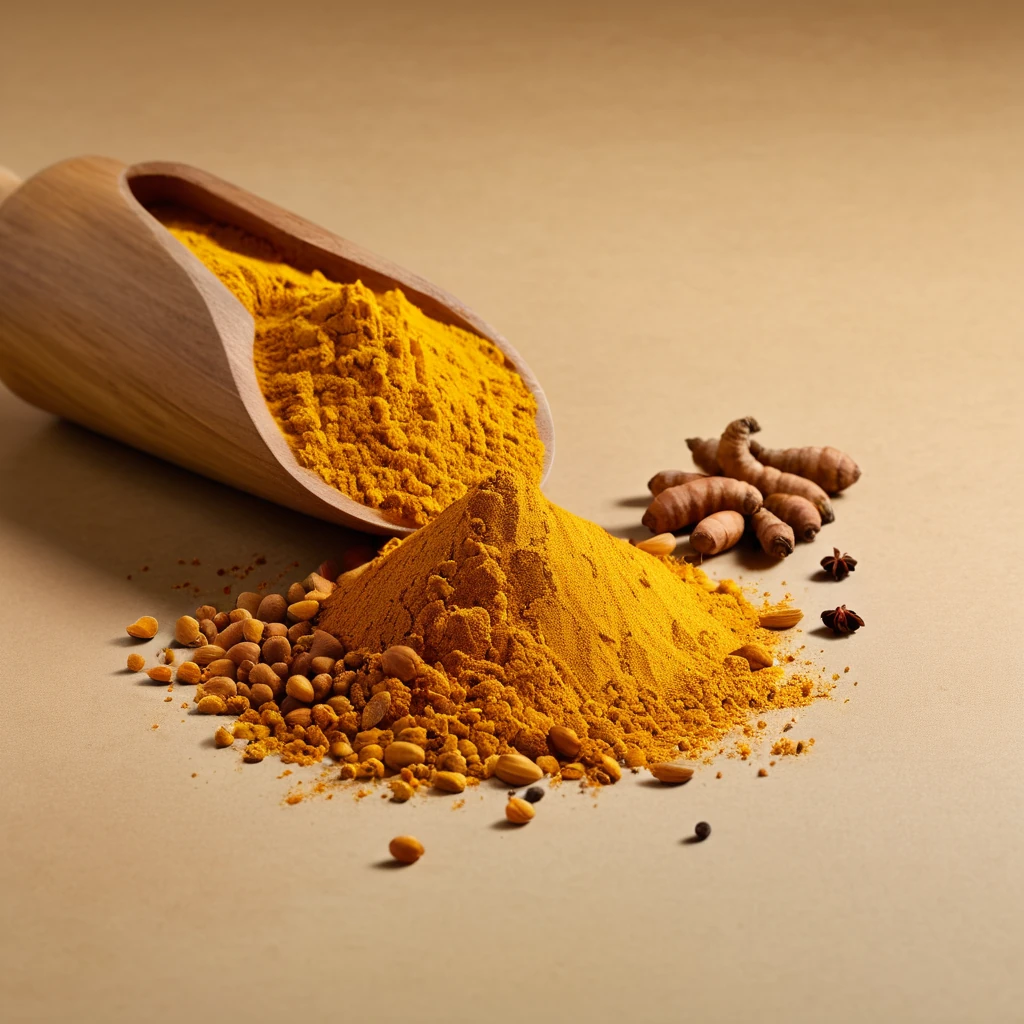
The History of Turmeric in Medicine and Cooking
Turmeric curcumin is the most studied natural anti-inflammatory compound, proven to fight inflammation at the molecular level.
Turmeric (Curcuma longa) is a rhizome root that has been used for over 4,000 years in Ayurvedic medicine, traditional Chinese medicine, and across the Middle East as a spice, dye, and medicine. The ancient Egyptians used it, Arab traders spread it along the Silk Road, and today it is one of the most studied plant compounds in medical science.
The Science Behind Curcumin
Turmeric’s active compound, curcumin, is a potent polyphenol with extraordinary anti-inflammatory and antioxidant properties. Over 12,500 peer-reviewed papers have been published studying curcumin’s effects. It works by blocking NF-kB — a molecule that travels into the nuclei of cells and switches on genes related to inflammation. Many major diseases, including heart disease, cancer, and Alzheimer’s, involve chronic inflammation — which is why curcumin is so exciting to researchers.
Key Turmeric Health Benefits Backed by Science
Joint Health and Arthritis: Curcumin is as effective as some anti-inflammatory drugs for reducing arthritis pain without the side effects. Studies show it significantly reduces joint stiffness and swelling.
Brain Health and Alzheimer’s Prevention: Curcumin can cross the blood-brain barrier and has been shown to reduce beta-amyloid plaques — the protein tangles associated with Alzheimer’s disease.
Heart Disease Prevention: Curcumin improves endothelial function (the lining of blood vessels), reducing the risk of heart disease. It’s as effective as exercise for improving vascular function.
Cancer Prevention: Laboratory studies show curcumin inhibits the growth and spread of cancer cells. It can even destroy cancer cells through a process called apoptosis.
Depression and Mental Health: In a controlled trial, curcumin was as effective as Prozac for treating depression. It boosts serotonin and dopamine levels in the brain.
How to Use Turmeric Effectively
The challenge with turmeric is bioavailability — curcumin is poorly absorbed on its own. The solution: always combine turmeric with black pepper (piperine), which increases curcumin absorption by up to 2,000%. Cook with turmeric in curries, soups, and rice dishes. Make golden milk: warm milk with turmeric, black pepper, ginger, and honey. Add a pinch to scrambled eggs, smoothies, or salad dressings.
Shop our premium turmeric products at B&T Naturals Superfoods.
For further reading on turmeric, visit the turmeric overview on Wikipedia.