
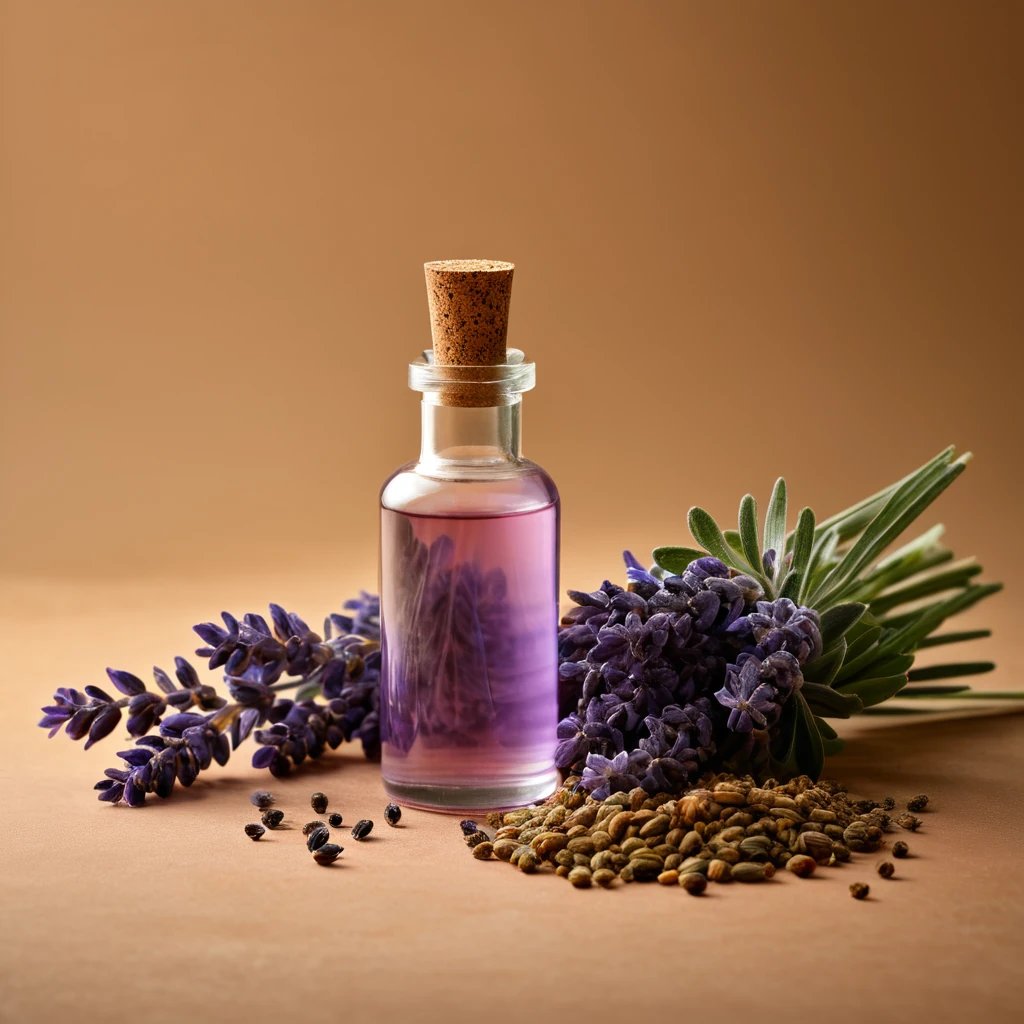
A Herb with a Thousand Uses
Lavender (Lavandula angustifolia) is arguably the most beloved herb in the world. With its distinctive purple flowers and intoxicating floral scent, lavender has been used for over 2,500 years in perfumery, medicine, cooking, and spiritual practices. The ancient Romans added lavender to their bathwater — in fact, the name lavender comes from the Latin “lavare” meaning “to wash.”
Why Lavender Works
Lavender’s therapeutic properties come primarily from its essential oil, which contains over 100 active compounds. The most important are linalool and linalyl acetate, which have proven sedative, anti-anxiety, anti-inflammatory, and antibacterial effects in numerous clinical studies.
Lavender as an Essential Oil
Sleep and Anxiety: Inhaling lavender essential oil before bed significantly improves sleep quality, sleep duration, and morning freshness. It reduces anxiety by affecting GABA neurotransmitter activity in the brain — similar to anti-anxiety medications but without the side effects.
Pain Relief: Topical application of diluted lavender oil reduces pain from headaches, muscle aches, and menstrual cramps. Apply to temples for tension headaches.
Wound Healing: Lavender oil has antibacterial and antiseptic properties. Applied to minor cuts, burns, and insect bites, it accelerates healing and reduces the risk of infection.
Skin Benefits: Lavender oil reduces acne inflammation, fades scars, and soothes conditions like eczema and psoriasis.
Lavender Tea
Steep 1 teaspoon of dried lavender flowers in hot water for 5 minutes. The taste is floral, slightly sweet, and very relaxing. Lavender tea reduces anxiety and promotes sleep. Combine with chamomile for a powerful sleep blend — try our Rose & Lavender Calm Tea for a ready-made blend.
Lavender in Skincare
Our Lavender Body Butter combines lavender essential oil with shea butter for a deeply moisturizing and calming body treatment. Apply after showering for maximum absorption and to enjoy the calming aromatherapy benefits throughout your evening.
Safety Note
Never apply undiluted essential oil directly to skin — always dilute in a carrier oil (like argan or almond oil) at a ratio of 2-3 drops per teaspoon of carrier oil. Essential oils are safe for aromatherapy and topical use when properly diluted but should not be ingested.