
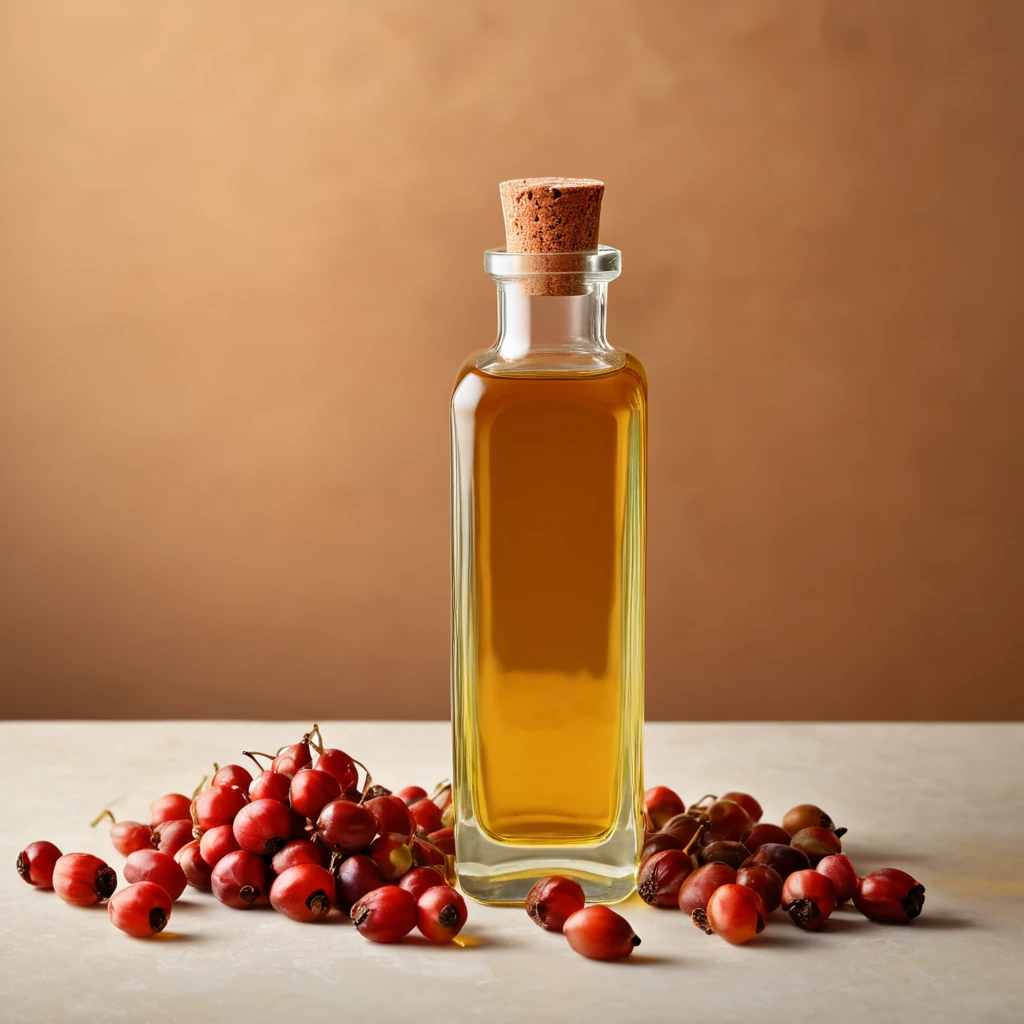
Rosehip Oil vs Argan Oil: The Two Most Popular Natural Face Oils
Walk into any natural beauty store and you will find shelves lined with rosehip oil and argan oil — two extraordinary natural oils that have achieved near-universal status among skincare enthusiasts. Both are genuinely remarkable, but they work differently and are best suited to different skin types and concerns. This guide will help you understand exactly which oil is right for you — or whether using both makes sense.
Why Rosehip Oil Is the Vitamin A Powerhouse
Rosehip oil is cold-pressed from the seeds of the Rosa canina plant (dog rose). Despite the name, it comes from the seed — not the rose flower — and has virtually no rose scent. Its distinctive orange-amber color comes from its exceptional concentration of beta-carotene, which the skin converts to Vitamin A (retinol).
Key Compounds in Rosehip Oil
- Vitamin A (from beta-carotene): Cell renewal, collagen stimulation, anti-wrinkle
- Vitamin C: Antioxidant, brightening, collagen synthesis
- Linoleic acid (Omega-6, 54%): Reduces acne and sebum overproduction
- Alpha-linolenic acid (Omega-3, 19%): Anti-inflammatory
- Lycopene and beta-carotene: Powerful antioxidants that prevent oxidative aging
Best For (Rosehip Oil)
Rosehip oil is ideal for: acne-prone skin (linoleic acid reduces sebum overproduction), hyperpigmentation and dark spots, post-acne scarring and red marks, fine lines and early signs of aging, uneven skin tone, and sun damage.
Argan Oil: The Moroccan Liquid Gold
Argan oil is cold-pressed from the kernels of the Argania spinosa tree, native to Morocco. Moroccan Berber women have used it for centuries for both cooking and beauty — it is genuinely one of the world’s oldest documented beauty oils. Its golden color and mild, nutty scent make it immediately recognizable.
Key Compounds in Argan Oil
- Oleic acid (Omega-9, 43-49%): Deep moisturization, anti-inflammatory
- Linoleic acid (Omega-6, 29-36%): Skin barrier repair
- Vitamin E (tocopherols): Antioxidant, cell protection, UV damage repair
- Squalane: Deep penetrating moisturizer, anti-aging
- Polyphenols: Antioxidant protection
Best For (Argan Oil)
Argan oil is ideal for: dry and very dry skin, mature skin needing deep moisture, damaged hair and split ends, fine lines and deep wrinkles (due to high oleic acid content), eczema and psoriasis, and daily face moisturization for all skin types.
The Head-to-Head Comparison
| Property | Rosehip Oil | Argan Oil |
|---|---|---|
| Skin Type | Oily, acne-prone, combination | Dry, mature, all types |
| Best For | Brightening, scars, dark spots | Deep moisture, anti-aging |
| Vitamin A | High (via beta-carotene) | Low |
| Vitamin E | Moderate | Very high |
| Absorption | Light, fast-absorbing | Slightly heavier |
| Fragrance | Neutral/slightly herby | Mild, nutty |
| Shelf Life | Shorter (6-12 months) | Longer (18-24 months) |
Can You Use Both?
Absolutely — and this is often the best approach. Many skincare enthusiasts use rosehip oil in the morning (for its Vitamin C and brightening effects) and argan oil in the evening (for its deep moisturizing and anti-aging benefits). Alternatively, mix a few drops of each for a custom blend that delivers the benefits of both.
How to Use Each Oil
For both oils: apply 2-4 drops to slightly damp skin. Press gently with palms — never rub. Use after toner and before any heavier moisturizer. For nighttime use, apply as the final step in your routine. A little goes a very long way with both oils.
Conclusion
Both rosehip and argan oils deserve their revered status in natural skincare. The best choice depends on your specific skin type and concerns — but you genuinely cannot go wrong with either. Our cold-pressed versions of both oils give you the authentic quality these extraordinary oils deserve.
Shop our premium rosehip oil and argan oil at B&T Naturals Beauty Oils for radiant, healthy skin.
For further reading on rosehip, visit the rosehip overview on Wikipedia.