
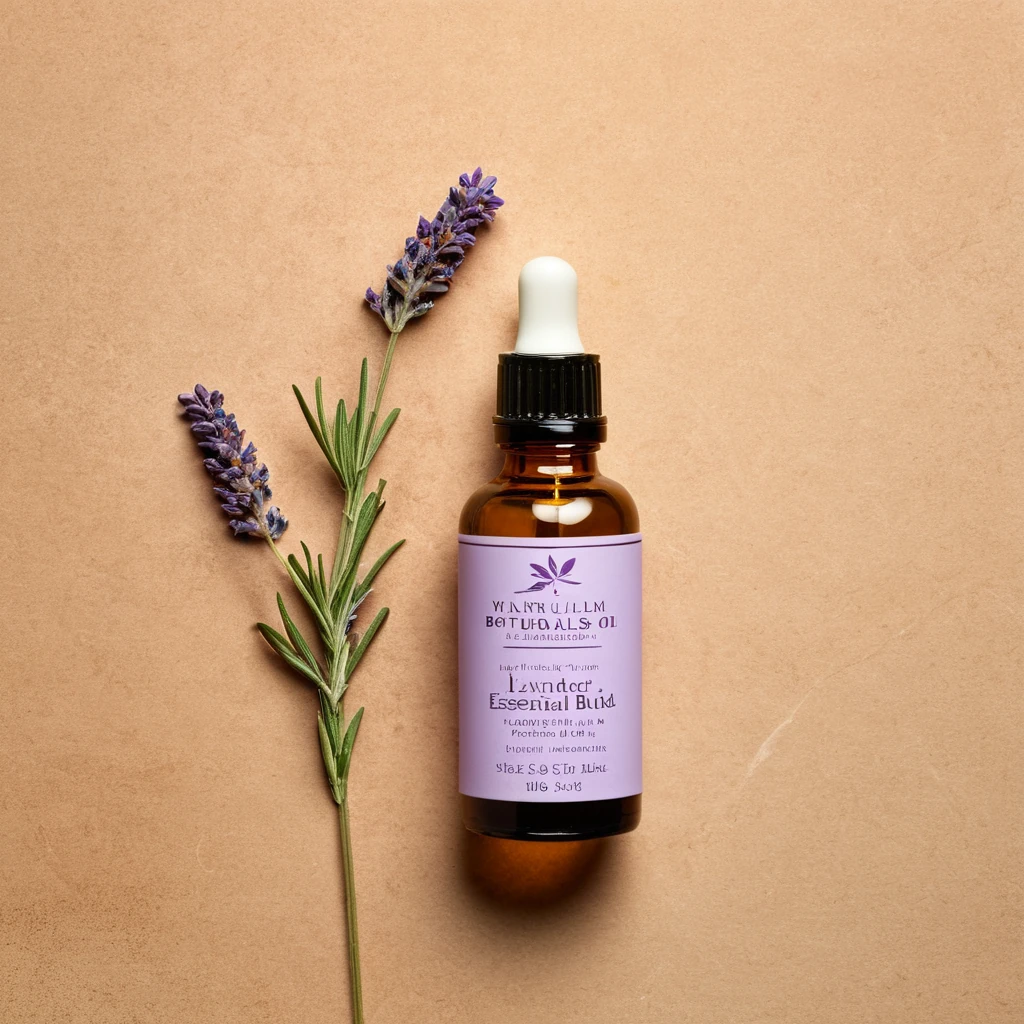
The Most Beloved Herb in Aromatherapy
Lavender (Lavandula angustifolia) is arguably the world’s most recognized aromatic herb. Its Latin name derives from the word lavare — “to wash” — reflecting its centuries-long use in baths, perfumes, and personal care. Native to the Mediterranean region (France, Spain, Italy, and Andorra), lavender has been woven into the fabric of traditional medicine and daily wellness across Europe, the Middle East, and beyond for thousands of years.
Today, lavender essential oil is among the most studied botanicals in clinical aromatherapy research. The National Center for Complementary and Integrative Health (NCCIH) has reviewed the evidence for lavender’s effects on anxiety, depression, sleep, and more. Here’s what the science tells us.
Evidence-Based Benefits of Lavender
1. Anxiety and Stress Relief
Lavender’s most well-supported benefit is its ability to reduce anxiety. Multiple clinical trials — including several published in the European Archives of Psychiatry and Clinical Neuroscience — have found that oral lavender oil preparations (particularly a branded product called Silexan) are beneficial for generalized anxiety disorder and anxiety with accompanying depressive symptoms. Aromatherapy with lavender oil has also shown promising results for situational anxiety, such as before surgery or medical procedures.
2. Sleep Quality and Insomnia
Lavender is one of the most widely recommended natural sleep aids, and there’s meaningful evidence supporting its use. Studies have examined lavender aromatherapy (diffused in bedrooms or applied to pillows) and oral lavender supplements for insomnia and poor sleep quality. Preliminary research suggests that lavender may help improve sleep quality in postmenopausal women, people with anxiety-related insomnia, and those with diabetes. While not every study shows dramatic effects, many people experience notable improvement in sleep onset and quality when using lavender regularly.
3. Mood and Depression Support
Initial studies suggest that oral lavender capsules and lavender tea may reduce symptoms of depression in some individuals. Several meta-analyses have pointed to lavender’s antidepressant-like activity, though researchers caution that study sample sizes are often small. Lavender’s effect on the central nervous system appears to involve modulation of GABA receptors, similar to some anti-anxiety medications, but with a gentler and more natural action.
4. Skin Health and Beauty
Lavender has a long history in natural skincare. When properly diluted in a carrier oil, lavender essential oil has demonstrated:
- Antimicrobial activity: Lavender oil can help control acne-causing bacteria on the skin.
- Anti-inflammatory effects: It can soothe irritated, red, or reactive skin when used topically.
- Wound healing: Traditional and some modern uses include applying diluted lavender oil to minor burns, cuts, and insect bites to speed healing.
- Anti-aging support: Lavender’s antioxidant properties help protect skin cells from oxidative stress and premature aging.
5. Headache Relief
Inhaling lavender essential oil has been evaluated for tension headaches with encouraging preliminary results. A 2021 study found that aromatherapy with lavender oil provided meaningful headache relief in some participants. Many people use a few drops of lavender oil diluted with a carrier oil applied to the temples as a natural approach to headache management.
How to Use Lavender Essential Oil
Aromatherapy (Most Common)
- Diffuser: Add 5–10 drops of lavender essential oil to an ultrasonic diffuser. Run in the bedroom 30–60 minutes before sleep for improved sleep quality.
- Pillow spray: Dilute lavender oil in water in a small spray bottle and mist your pillow before bedtime.
- Steam inhalation: Add 3–5 drops to a bowl of hot water, cover your head with a towel, and inhale for 5 minutes to relieve stress or headaches.
Topical Application
- Always dilute: Essential oils must be diluted in a carrier oil before applying to skin. A safe dilution is 2–3 drops of lavender oil per teaspoon of carrier oil (such as jojoba, sweet almond, or coconut oil).
- Skin care: Apply diluted lavender oil to areas of concern — acne spots, minor irritation, or dry patches.
- Massage: Add lavender oil to a carrier oil for a relaxing body massage that soothes muscle tension and promotes calm.
- Bath: Add 5–10 drops of lavender oil to a warm bath (mixed with a tablespoon of carrier oil or bath salt first) for a deeply relaxing soak.
Safety Considerations
Lavender is generally considered safe when used correctly. Key points to keep in mind:
- Never apply undiluted (neat) essential oil directly to skin, as it can cause irritation or sensitization.
- Lavender oil may cause allergic reactions in sensitive individuals — always patch test before widespread topical use.
- Oral lavender supplements may cause mild side effects including headache, diarrhea, nausea, or burping.
- Theoretical interactions with sedative drugs and herbs exist — consult your healthcare provider if you are on any sedative medication.
- Safety during pregnancy is not well-established; use cautiously and consult your doctor.
Choosing Quality Lavender Essential Oil
Not all lavender oils are created equal. To get the full therapeutic benefits, look for:
- 100% pure essential oil with no synthetic additives or dilution
- Botanical name on the label (Lavandula angustifolia) — not “lavandin,” which is a cheaper hybrid with different properties
- GC/MS tested (gas chromatography / mass spectrometry) — this confirms purity and chemical composition
- Dark glass bottle to protect from light degradation
The Bottom Line
Lavender is one of the rare herbs where the therapeutic evidence is both broad and relatively strong. From reducing anxiety and improving sleep to supporting skin health and easing headaches, lavender essential oil is a versatile and genuinely useful addition to any natural wellness toolkit. At BTNaturals, our lavender essential oil is sourced from high-altitude Mediterranean regions for the finest quality and richest therapeutic profile.