
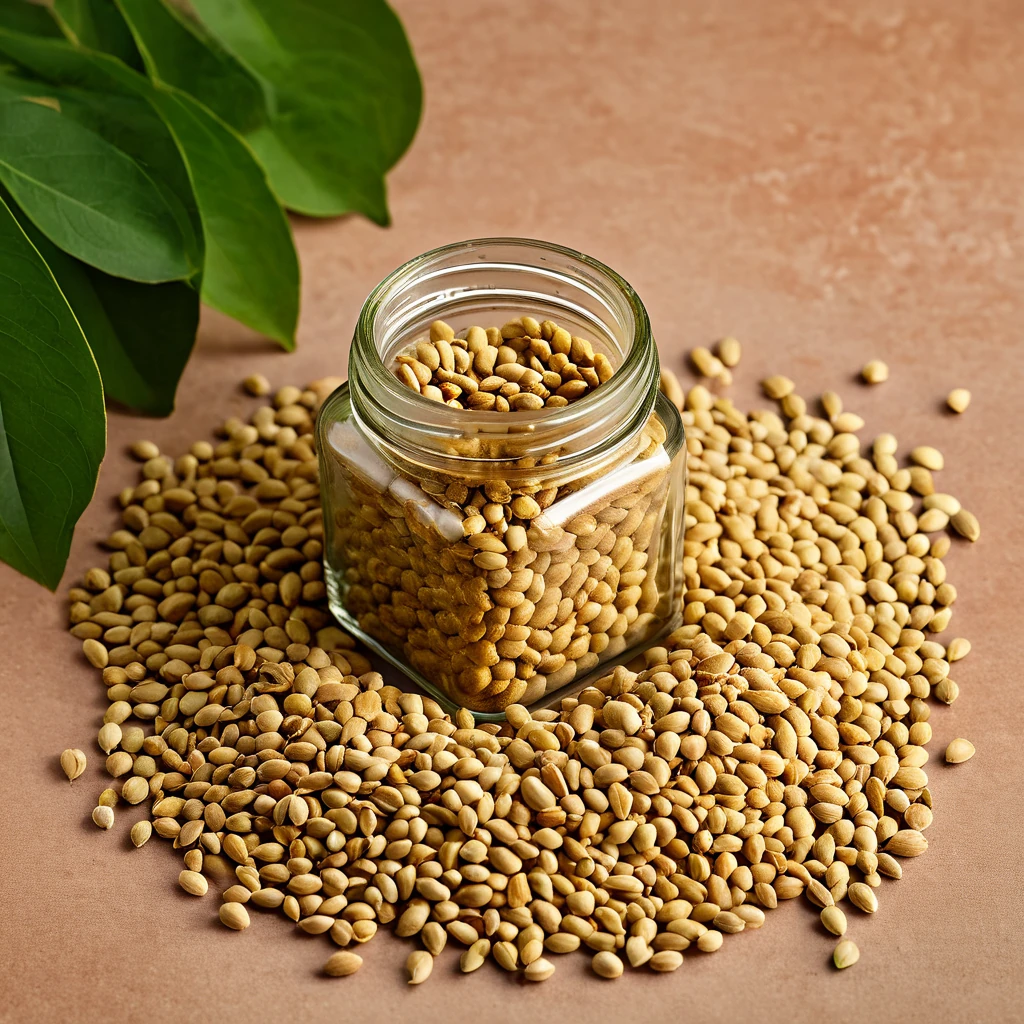
Fenugreek (Trigonella foenum-graecum) is a small, golden-brown seed with a distinctive maple-like aroma that has been cultivated and used medicinally for over 4,000 years. A staple of South Asian, Middle Eastern, and North African cuisine and traditional medicine, fenugreek has recently become the subject of significant scientific research — and the findings are impressive.
What Makes Fenugreek Special?
Fenugreek seeds contain an unusual amino acid called 4-hydroxyisoleucine, which has been shown to directly stimulate insulin secretion. This makes fenugreek one of the most biologically specific herbs for blood sugar management. Seeds also contain steroidal saponins (particularly diosgenin and trigonelline), which influence steroid hormone synthesis and may explain fenugreek’s effects on testosterone and milk production.
The seeds are rich in soluble fiber (30–45%), which slows glucose absorption, feeds beneficial gut bacteria, and contributes to cholesterol reduction. Fenugreek also provides significant protein (25%), iron, magnesium, manganese, and B vitamins.
Science-Backed Benefits
Blood Sugar Management
Multiple randomized controlled trials have found that fenugreek supplementation — particularly 5–15g of fenugreek seed powder per day — produces significant reductions in fasting blood glucose and post-meal glucose spikes in people with type 2 diabetes. A meta-analysis published in 2016 confirmed fenugreek’s meaningful effects on HbA1c and fasting blood glucose. The mechanisms include direct insulin stimulation by 4-hydroxyisoleucine and slowed glucose absorption by soluble fiber.
Testosterone and Male Health
Several clinical trials have examined fenugreek’s effects on testosterone levels and male sexual health. A well-designed trial published in Phytotherapy Research found that men taking 600mg of fenugreek extract daily for 12 weeks showed significantly improved testosterone levels, sexual function, mood, and energy compared to placebo. The saponins in fenugreek may inhibit enzymes that convert testosterone to estrogen (5-alpha reductase and aromatase), supporting higher free testosterone levels.
Hair Loss Prevention
Fenugreek’s anti-DHT properties (DHT is the androgen responsible for androgenetic alopecia / pattern hair loss) make it a popular natural hair loss remedy. Clinical research has found fenugreek seed extract supplementation significantly increased hair volume, thickness, and growth rate in men and women with thinning hair. Topically, fenugreek-infused oil masks are a traditional and popular hair treatment across the Arab world and South Asia.
Cholesterol and Heart Health
Fenugreek’s soluble fiber content reduces bile acid reabsorption in the gut, which lowers total and LDL cholesterol production in the liver. Several clinical studies have confirmed reductions of 10–15% in total cholesterol and LDL cholesterol with regular fenugreek supplementation — particularly valuable for people managing metabolic syndrome alongside blood sugar issues.
Milk Production for Breastfeeding Mothers
Fenugreek is one of the most widely used herbal galactagogues (milk-boosting herbs) in the world. It has been used across the Arab world and South Asia for this purpose for centuries. Several small clinical studies have found fenugreek increases breast milk production, and it’s widely recommended by lactation consultants. However, the evidence quality is moderate — some studies have found mixed results. The traditional dosage is 1–3 cups of fenugreek tea daily or 3 x 610mg capsules three times daily for breastfeeding support.
Fenugreek in the Arab and UAE Kitchen
Known as hilba (حلبة) across the Arab world, fenugreek seeds are a staple in Gulf cooking — added to traditional Emirati spice blends, used in herbal teas for postpartum recovery, and incorporated into traditional beauty preparations for hair. Fenugreek-infused warm drinks are a beloved remedy for new mothers and anyone seeking digestive or immune support.
How to Use Fenugreek
- Fenugreek tea: Simmer 1 teaspoon of seeds in 2 cups of water for 5–10 minutes. Strain and drink with honey.
- Powder in food: Add ground fenugreek to curries, rice dishes, and spice rubs. Start with small amounts — its flavor is strong.
- Supplements: Standardized fenugreek extract (300–600mg twice daily) for blood sugar, testosterone, or hair growth benefits.
- Hair mask: Soak fenugreek seeds overnight, grind into a paste, mix with coconut or jojoba oil, apply to scalp and hair for 30–60 minutes before washing.
Safety Considerations
- Fenugreek can cause digestive upset (bloating, diarrhea) at high doses — start low and increase gradually.
- It can significantly lower blood sugar — people on diabetes medication should monitor closely and consult their doctor.
- Fenugreek has a maple-syrup-like odor that can appear in sweat, urine, and breast milk — this is harmless but worth knowing.
- Due to potential uterine-stimulating effects, avoid high doses during pregnancy.
Fenugreek is one of the most versatile and evidence-backed medicinal herbs available — particularly valuable for blood sugar management, hair health, and hormonal balance. Explore BTNaturals’ premium fenugreek products and experience this ancient remedy’s modern-validated benefits.