
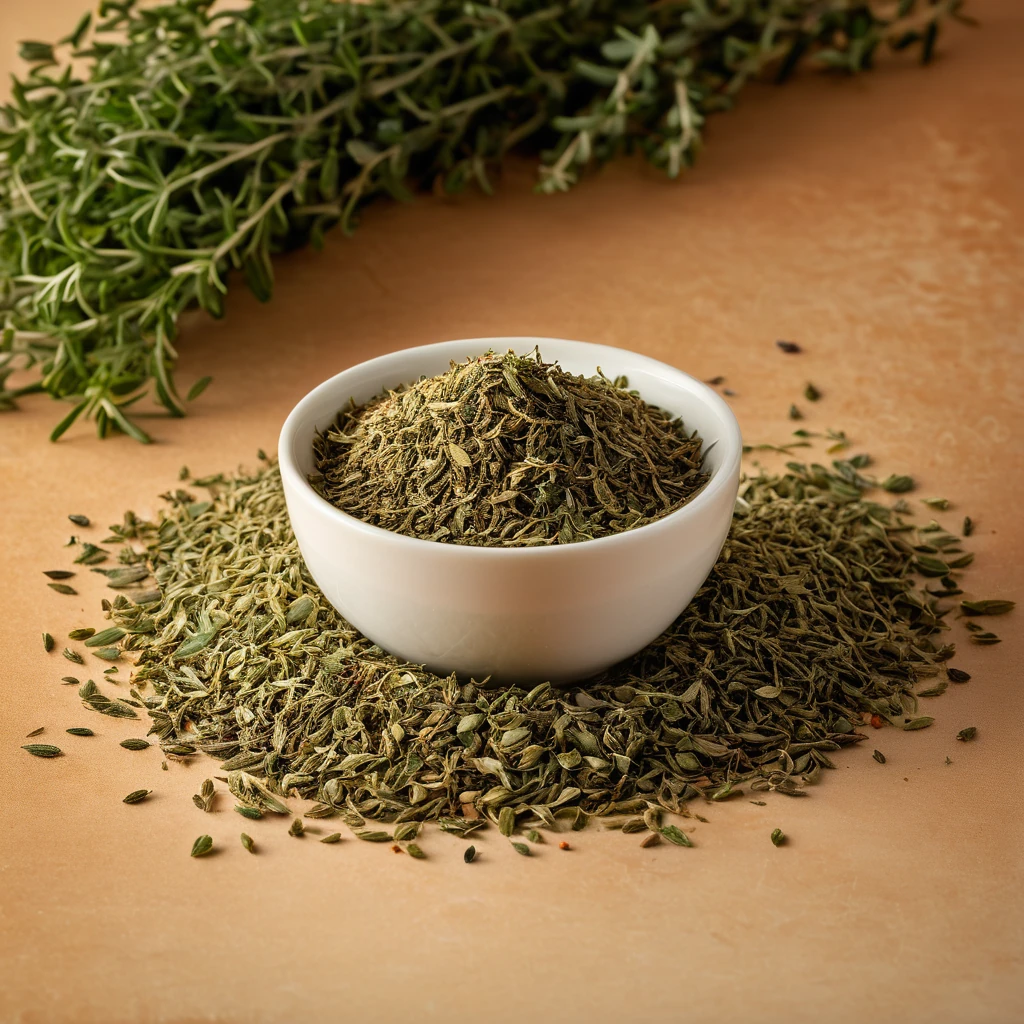
Thyme (Thymus vulgaris) may be the most underestimated herb in the natural health world. A fixture on kitchen shelves worldwide, most people don’t realize that thyme herb has one of the most potent and well-studied antimicrobial profiles of any culinary herb. The ancient Greeks, Romans, and Arab physicians all prized thyme as a healing herb — and modern phytochemistry has revealed why.
The Active Compounds in Thyme Herb
Thyme’s extraordinary medicinal properties stem from two primary volatile oil compounds:
- Thymol (30–50% of the essential oil): One of the most potent natural antimicrobials known. Thymol is the active ingredient in Listerine mouthwash and many antiseptic cleaning products. It has demonstrated effectiveness against bacteria, fungi, viruses, and even some antibiotic-resistant strains.
- Carvacrol (5–20%): Closely related to thymol, with similar and complementary antimicrobial activity — particularly potent against E. coli, Staphylococcus aureus, and Candida species.
Thyme also contains rosmarinic acid, luteolin, flavonoids, and carotenoids — collectively providing powerful antioxidant and anti-inflammatory activity.
Evidence-Based Thyme Herb Benefits
Respiratory Health
Thyme is one of the most studied herbs for respiratory conditions. A well-designed clinical trial published in Arzneimittelforschung compared thyme-ivy syrup to the pharmaceutical expectorant ambroxol for acute bronchitis and found them equally effective. Thyme extract has demonstrated bronchospasmolytic (bronchodilating) effects — relaxing the smooth muscles of the airways — making it valuable for coughs, bronchitis, and mild asthma. European health authorities have approved thyme preparations for treatment of coughs and upper respiratory tract catarrh.
Antimicrobial and Antifungal
Thymol’s extraordinary antimicrobial properties have been confirmed in hundreds of laboratory studies. It is effective against oral pathogens (which is why it’s in dental products), respiratory pathogens, skin infections, and common food-contaminating bacteria. For natural wellness purposes, thyme tea and thyme essential oil (properly diluted) provide significant antimicrobial support.
Antioxidant Protection
Fresh thyme has one of the highest ORAC (Oxygen Radical Absorbance Capacity) scores of any culinary herb — meaning it is extraordinarily rich in dietary antioxidants. Studies comparing thyme to common antioxidant foods found it significantly outperforms most vegetables and fruits. Regular culinary use of thyme meaningfully increases dietary antioxidant intake and supports protection against chronic, oxidative-stress–driven diseases.
Oral Health
Thymol’s effectiveness against oral bacteria makes thyme a valuable ingredient in natural oral care. Thyme mouthwash preparations have been shown to reduce gingivitis and dental plaque. The antimicrobial action against Streptococcus mutans (the primary cavity-causing bacterium) is particularly relevant for preventing dental decay.
Skin Health
A fascinating study by the University of Leeds found that thyme tincture was more effective at killing Propionibacterium acnes (the primary acne-causing bacteria) than benzoyl peroxide — with a gentler effect on skin. Topical thyme preparations (properly diluted essential oil or hydrosol) have potential as natural acne treatments, though more clinical studies are needed to confirm these preliminary results.
Thyme in UAE and Arab Cuisine and Medicine
Thyme — known as za’atar (زعتر) across the Arab world — is one of the most beloved and iconic herbs in Middle Eastern culture. The za’atar spice blend (combining wild thyme, sumac, sesame seeds, and salt) is a cornerstone of Levantine and broader Arab cuisine, enjoyed as a dip with olive oil, sprinkled on bread, and used in countless traditional dishes. In traditional Arab medicine, thyme tea has long been used for respiratory infections, coughs, digestive complaints, and as a general tonic. The deep cultural significance of thyme in the UAE and broader Arab world makes it one of the most emotionally resonant herbs for BTNaturals’ audience.
How to Use Thyme Herb
- Thyme tea: Steep 1–2 teaspoons of fresh or dried thyme in hot water for 5–10 minutes. Excellent for respiratory complaints, coughs, and general antimicrobial support. Add honey and lemon.
- Thyme steam inhalation: Add fresh thyme or thyme essential oil to a bowl of hot water and inhale steam for sinus and respiratory relief.
- Culinary use: Use liberally in cooking — added to roasted vegetables, meats, soups, and dressings for both flavor and antioxidant benefits.
- Za’atar blend: Mix dried thyme with sumac, sesame seeds, salt, and olive oil for the classic Middle Eastern herb paste.
- Topical for skin: Dilute thyme essential oil (1–2%) in a carrier oil for antimicrobial skin treatment.
Thyme is proof that the most powerful medicines are often the most humble. This kitchen herb — so common it’s often taken for granted — carries extraordinary antimicrobial, respiratory, and antioxidant properties that earn it a respected place in both the spice rack and the natural medicine cabinet. Explore BTNaturals’ premium dried thyme and thyme essential oil products.
For further reading on thyme, visit the thyme overview on Wikipedia.