
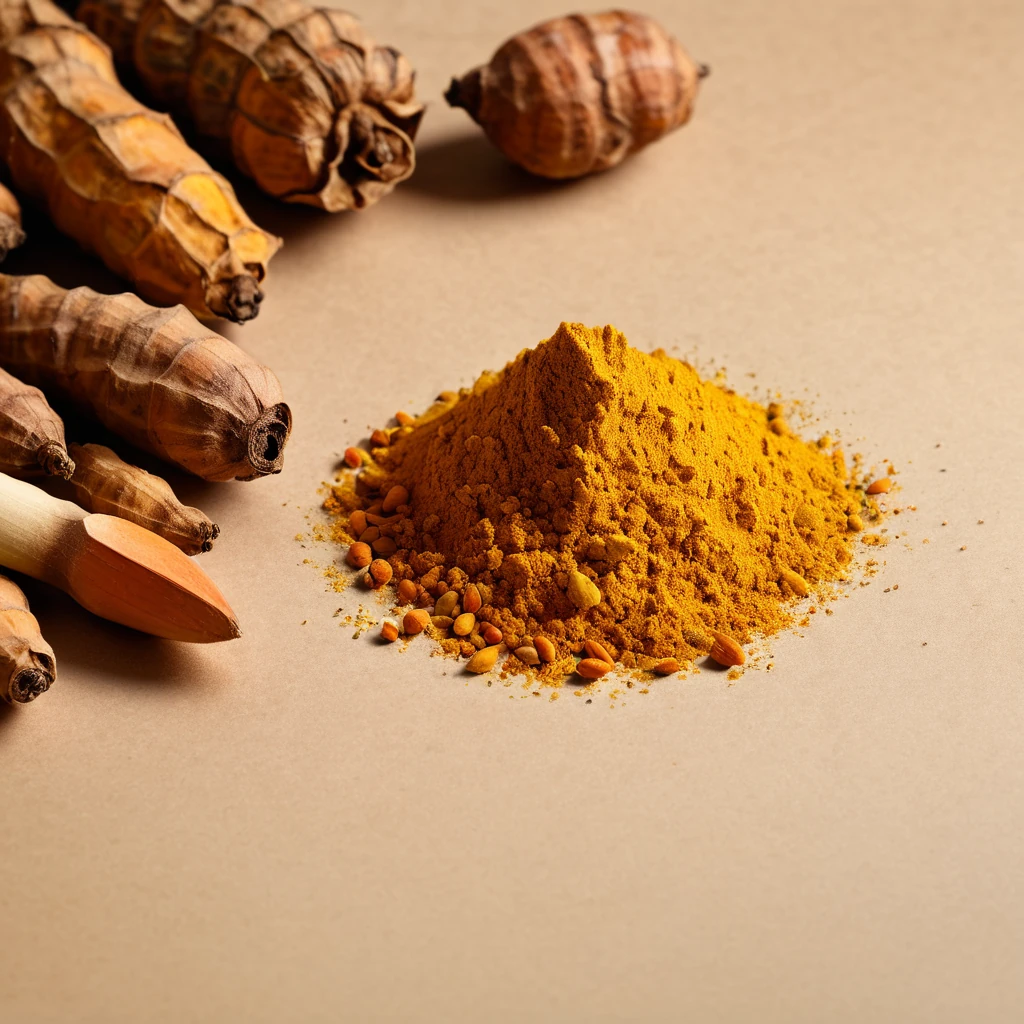
The Most Important Turmeric Black Pepper Fact Nobody Tells You
Curcumin absorption is dramatically improved when combined with piperine from black pepper — a fact that every turmeric user should know.
If you are taking turmeric for its curcumin health benefits — in tea, supplements, or cooking — but not combining it with black pepper, you are potentially wasting 97% of its active compound — curcumin. This is not hyperbole — it is documented pharmacology that fundamentally changes how you should use turmeric.
The Problem: Poor Bioavailability of Curcumin
Turmeric’s primary active compound is curcumin — responsible for turmeric’s golden color, distinctive flavor, and remarkable anti-inflammatory properties. However, curcumin is notoriously poorly absorbed from the digestive tract. Studies show that very little ingested curcumin actually reaches systemic circulation. It is rapidly metabolized and eliminated before it can reach target tissues in meaningful concentrations.
This poor bioavailability is why some clinical trials using curcumin supplements show disappointing results — the curcumin is simply not reaching target tissues in effective concentrations.
The Solution: Turmeric with Black Pepper Piperine
Piperine is the bioactive compound that gives black pepper its spicy character. A landmark 1998 study published in Planta Medica discovered something remarkable: combining curcumin with piperine at a ratio of 20:1 increased curcumin’s bioavailability in humans by 2,000% (that is twenty times). The same finding was replicated in rats, where bioavailability increased by 154%.
The mechanism: piperine inhibits glucuronidation — the liver enzyme process that rapidly converts curcumin into an inactive form before it can be absorbed. By blocking this process, piperine allows curcumin to remain in its active form long enough to be absorbed into circulation and reach target tissues.
The Anti-Inflammatory Power of Curcumin
Once properly absorbed (with piperine), curcumin is one of the most potent natural anti-inflammatory compounds known. It works through multiple pathways simultaneously:
- Inhibits NF-κB — the master regulator of inflammatory gene expression
- Inhibits COX-2 — the enzyme targeted by ibuprofen and aspirin
- Inhibits lipoxygenase (LOX) pathways
- Reduces pro-inflammatory cytokines including TNF-alpha, IL-1, and IL-6
This multi-pathway approach means curcumin addresses inflammation more comprehensively than single-target pharmaceutical anti-inflammatories — potentially with fewer side effects.
Proven Health Benefits of Turmeric + Black Pepper
Arthritis and Joint Pain
Multiple clinical trials using bioavailable curcumin formulations have shown effectiveness comparable to ibuprofen for reducing pain in knee osteoarthritis — with significantly fewer gastrointestinal side effects. Studies using standard curcumin without bioavailability enhancement show much weaker effects, confirming absorption is the critical variable.
Reduces Inflammatory Markers
Regular consumption of turmeric with black pepper significantly reduces CRP (C-reactive protein) and other inflammatory biomarkers in the blood — biomarkers linked to cardiovascular disease, cancer risk, and autoimmune conditions.
Supports Brain Health
Curcumin crosses the blood-brain barrier (with piperine’s help) and has shown neuroprotective effects. Studies suggest it may reduce the accumulation of amyloid plaques associated with Alzheimer’s disease.
Anti-Cancer Properties
Curcumin has shown anti-cancer properties in laboratory studies across multiple cancer types. It induces apoptosis in cancer cells, inhibits tumor angiogenesis, and reduces cancer cell proliferation. Human trials are ongoing.
The Golden Milk Recipe: The Best Way to Take Turmeric
Golden milk (عصير الذهب) is the most effective and enjoyable way to consume turmeric with optimal absorption:
Ingredients: 2 cups warm milk, 1 teaspoon turmeric powder, 1/4 teaspoon black pepper (freshly ground is most potent), 1/4 teaspoon cinnamon, 1 teaspoon raw honey, a pinch of ginger.
Method: Whisk all ingredients into warm (not boiling) milk. Consume immediately, once or twice daily. The fat in milk also enhances curcumin absorption (it is fat-soluble).
Arabic Culinary Uses of Turmeric
In Arab cuisine, الكركم (turmeric) appears throughout — in rice dishes, biryani, meat marinades, and spice blends (بهارات). When Arab cooks use turmeric with black pepper in the same dish (which is traditional), they are instinctively achieving the optimal bioavailability combination without knowing the pharmacology behind it. Traditional food wisdom and modern science align perfectly.
Conclusion
The turmeric-black pepper combination is one of the clearest examples of how traditional food pairings often contain embedded nutritional wisdom far ahead of scientific understanding. Never take turmeric without black pepper — and when you use our premium turmeric root powder with our dried peppercorn blend, you are getting both at their highest quality.
Shop our premium turmeric and superfood supplements at B&T Naturals Superfoods.
For further reading on black pepper, visit the black pepper overview on Wikipedia.