
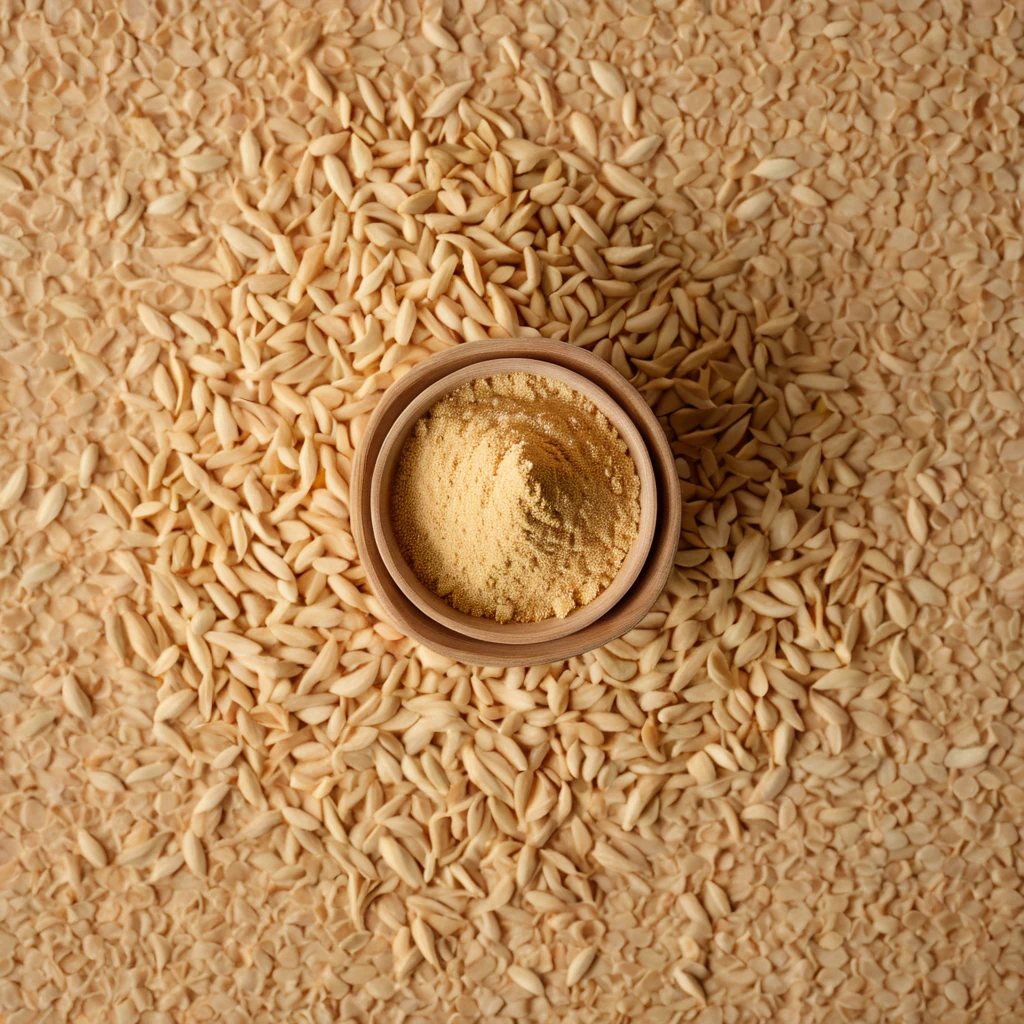
Ashwagandha: The King of Adaptogens
An adaptogen is a natural substance that helps the body adapt to stress — whether physical, mental, or environmental. The concept emerged from Russian pharmacological research in the mid-20th century, but the herbs identified as adaptogens are largely ancient medicines. Ashwagandha (Withania somnifera) — known in Arabic as كنسة المدينة or عنب الذئب — is perhaps the most comprehensively studied adaptogen in modern pharmacology.
With over 400 published studies and a 3,000-year history in Ayurvedic medicine as a Rasayana (rejuvenating tonic), ashwagandha has attracted intense scientific interest for its ability to simultaneously reduce stress, improve athletic performance, enhance cognition, and support hormonal health.
The Active Compounds: Withanolides
Ashwagandha’s primary active compounds are withanolides — a class of steroidal lactones unique to the Withania genus. These compounds are responsible for ashwagandha’s remarkable range of biological effects. Withaferin A and withanolide D are the most studied, with documented anti-inflammatory, anti-tumor, and adaptogenic effects.
Ashwagandha Clinical Evidence: What the Studies Show
Cortisol and Stress Reduction
This is ashwagandha’s most extensively documented benefit. Multiple randomized controlled trials have consistently shown ashwagandha significantly reduces serum cortisol — the body’s primary stress hormone. A landmark study published in the Indian Journal of Psychological Medicine found 300mg of KSM-66 ashwagandha extract twice daily reduced cortisol by 27.9% compared to 7.9% for placebo, with corresponding reductions in perceived stress and anxiety.
Anxiety and Depression
A 2019 randomized controlled trial in Medicine found 240mg daily ashwagandha significantly reduced anxiety, stress, and morning cortisol levels. Multiple other trials have confirmed its anxiolytic effects, suggesting ashwagandha works similarly to GABA-ergic medications but through different mechanisms.
Testosterone and Male Fertility
A 2010 study in Fertility and Sterility found ashwagandha significantly improved sperm quality and reproductive hormones in infertile men. A 2015 study found 5 grams of ashwagandha root powder daily for 3 months increased testosterone by 17% and LH by 34% in men with sub-optimal testosterone.
Athletic Performance
Multiple studies have confirmed ashwagandha improves both strength and aerobic capacity. A 2015 study in the Journal of the International Society of Sports Nutrition found elite cyclists taking ashwagandha showed significant improvements in VO2 max and time to exhaustion compared to placebo.
Thyroid Function
Research suggests ashwagandha supports thyroid function in people with subclinical hypothyroidism, with studies showing improvements in both T3 and T4 hormone levels.
Memory and Cognition
A 2017 study found ashwagandha supplementation significantly improved both immediate and general memory, executive function, attention, and information processing speed in adults with mild cognitive impairment.
How to Take Ashwagandha Tea
Traditional preparation: Steep 1-2 teaspoons of dried ashwagandha root powder in warm milk (dairy or plant-based) with honey, cinnamon, and cardamom for 5 minutes. This is the traditional Ayurvedic “ashwagandha milk” or “moon milk” — deeply nourishing and wonderfully soporific when taken before bed.
As tea: Simmer ashwagandha root in water for 15-20 minutes (it needs heat to extract properly). Strain and add honey to moderate the earthy, slightly bitter taste.
Ashwagandha in Arabic Wellness Culture
While ashwagandha is primarily rooted in Ayurvedic tradition, it grows throughout the Middle East and has been used in Arab folk medicine for centuries. Arabic herbalists have historically used Withania somnifera as a general tonic and aphrodisiac. As global wellness culture increasingly embraces adaptogens, ashwagandha is finding growing appreciation across the Arab world.
Conclusion
Ashwagandha stands in a small category of herbs with both extensive traditional use and genuinely impressive modern clinical evidence. If you struggle with stress, fatigue, hormonal imbalance, poor athletic recovery, or cognitive decline, ashwagandha represents one of the most evidence-supported natural interventions available.
Find our premium ashwagandha products at B&T Naturals Superfoods for natural stress relief and vitality.
For further reading on ashwagandha, visit the ashwagandha overview on Wikipedia.