
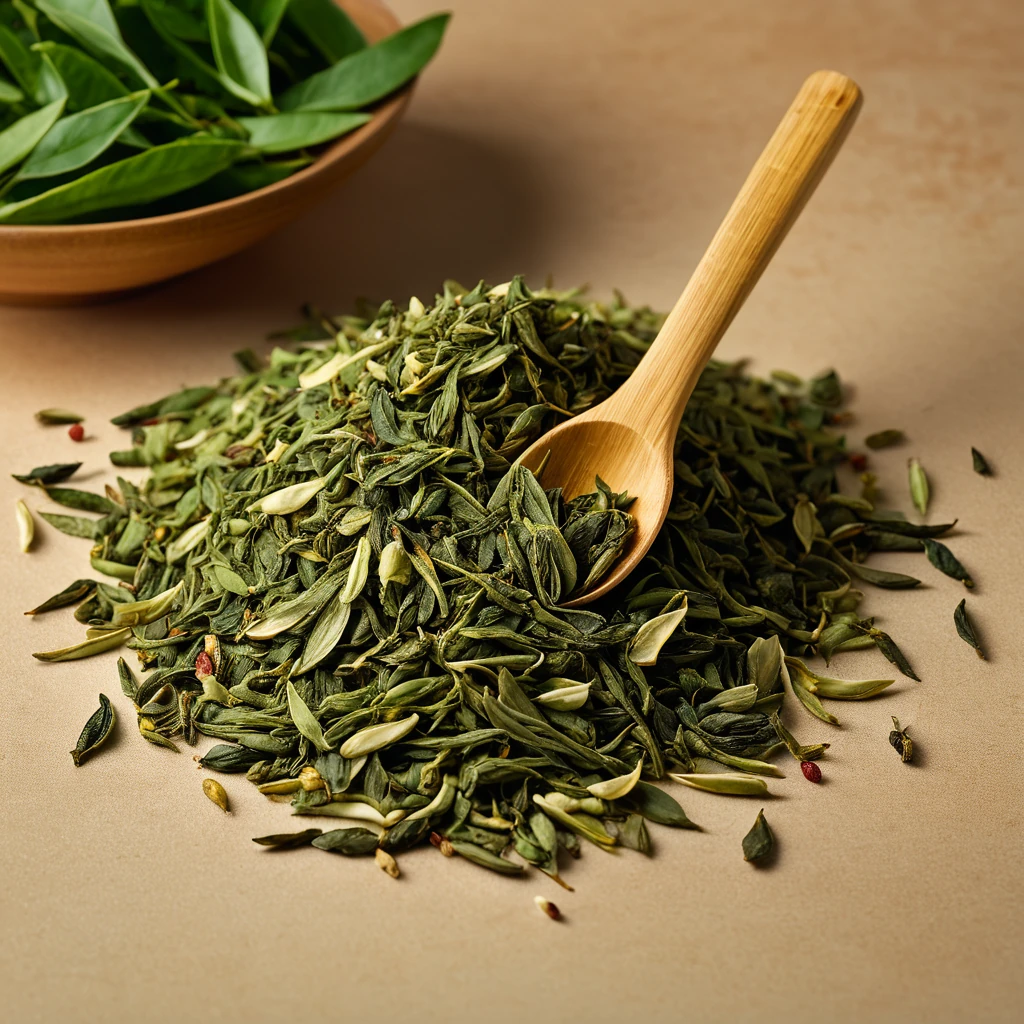
Green Tea: The World’s Most Studied Beverage
Green tea (Camellia sinensis) holds the remarkable distinction of being one of the most thoroughly researched beverages in the world. First cultivated in China approximately 3,000 years ago, it has since spread to every corner of the globe and become a cornerstone of wellness traditions from Japan and Korea to the Arab world and beyond.
Unlike black tea (which is fully fermented) or oolong tea (partially fermented), green tea leaves are simply steamed, pan-fried, and dried — a minimal process that preserves the remarkable concentration of antioxidants and bioactive compounds for which the tea is famous.
What’s in Green Tea?
Green tea’s therapeutic properties come from a rich profile of bioactive compounds:
- Catechins: Particularly EGCG (epigallocatechin gallate), the most potent and most studied antioxidant in green tea. EGCG has demonstrated anti-inflammatory, anti-cancer, cardioprotective, and metabolic effects in laboratory and clinical research.
- L-theanine: A unique amino acid found almost exclusively in tea plants. L-theanine promotes a state of relaxed alertness, improving focus without the jittery edge of caffeine alone. This combination of L-theanine and caffeine is why tea drinkers often describe a calm, clear-headed energy that differs from coffee.
- Caffeine: In moderate amounts (25–50mg per cup, compared to 80–120mg in coffee), providing gentle stimulation.
- Polyphenols, flavonoids, and minerals: Supporting overall health and antioxidant protection.
Evidence-Based Green Tea Benefits
1. Heart Health
Multiple epidemiological studies conducted in Asian populations — where green tea consumption is highest — have linked regular green tea drinking with a lower risk of coronary heart disease. Clinical trials have found that green tea supplementation can modestly reduce total cholesterol and LDL (“bad”) cholesterol levels, which are key risk factors for cardiovascular disease. While these effects are moderate rather than dramatic, they are consistent and biologically plausible given green tea’s antioxidant activity in the arteries.
2. Weight Management
Green tea and its extracts are among the most commonly used ingredients in weight management products. Research confirms that the combination of catechins and caffeine in green tea can have a modest but real effect on body weight and fat oxidation (the process of burning fat for energy). Green tea appears to slightly increase metabolic rate and promote fat burning, particularly during exercise. Results vary based on individual factors including activity level and genetics.
3. Brain Health and Mental Clarity
The L-theanine in green tea promotes alpha brain wave activity — the same state associated with calm focus and creative thinking. Combined with moderate caffeine, this produces a unique cognitive enhancement effect that improves attention, reaction time, and working memory. Regular green tea consumption has also been associated with reduced risk of cognitive decline and neurodegenerative disease in observational studies, though more research is needed to confirm causation.
4. Blood Sugar Balance
Emerging research suggests that green tea may help improve insulin sensitivity and reduce blood sugar levels. Some studies have found that regular green tea drinkers have lower fasting blood glucose levels and a reduced risk of type 2 diabetes. The catechins in green tea appear to enhance insulin action and reduce glucose absorption in the digestive tract.
5. Antioxidant Protection and Longevity
Green tea is one of the richest sources of dietary antioxidants in the human diet. Its catechins — particularly EGCG — are significantly more potent than vitamins C and E as antioxidants. Regular consumption helps protect cells from oxidative damage, which is implicated in aging, cancer, and virtually every chronic disease. Populations with the highest green tea consumption, such as in rural Japan, consistently show some of the lowest rates of chronic disease and the longest healthy lifespans.
6. Skin Health
Green tea’s anti-inflammatory and antioxidant properties make it a powerful ally for skin health. Topical green tea extracts are increasingly used in skincare products for their ability to reduce UV-induced skin damage, improve skin elasticity, reduce acne-causing bacteria, and provide anti-aging support. The FDA has even approved a topical ointment containing green tea extract as a prescription treatment for genital warts, demonstrating the extract’s biological activity.
Green Tea in Arab Culture
While black tea remains more traditional across much of the Arab world, green tea has gained significant popularity in recent decades. In Morocco, green tea with mint (atay) is a cultural cornerstone — a symbol of hospitality and friendship prepared and served in an elaborate, beloved ritual. Across the UAE and Gulf states, green tea is increasingly consumed as a wellness beverage, and Moroccan-style mint tea is widely served in restaurants and homes alike.
How to Brew the Perfect Cup of Green Tea
Green tea is surprisingly easy to ruin — and surprisingly easy to get right once you know the key technique:
- Water temperature is critical: Never use fully boiling water for green tea. The ideal temperature is 70–80°C (160–175°F). Boiling water makes green tea bitter and damages delicate antioxidants. Let boiled water cool for 3–5 minutes, or use a temperature-controlled kettle.
- Steep for 2–3 minutes: Longer steeping increases bitterness without increasing benefits.
- Use 1 teaspoon per cup: Start with less than you think you need.
- High-quality loose leaf: Whole or large-leaf green tea (such as sencha, dragon well, or gunpowder) contains more catechins than fine powder in low-grade tea bags.
- Multiple infusions: Quality green tea leaves can be steeped 2–3 times, with slightly longer steeping each time.
Safety Considerations
Green tea consumed as a beverage is safe for virtually all adults. Green tea extract supplements require more caution:
- Green tea contains caffeine — those sensitive to caffeine, pregnant women, or people with heart arrhythmias should moderate intake.
- Rare cases of liver injury have been reported with green tea extract supplements, particularly in high-dose, concentrated capsule or tablet form. Stick to beverage consumption or low-dose standardized supplements.
- Green tea can interact with blood thinners, cholesterol medications (atorvastatin), and some osteoporosis drugs (raloxifene) — consult your doctor if you take these medications.
The Bottom Line
Green tea is a remarkable gift from nature — a beverage that supports heart health, brain function, weight management, and longevity with thousands of years of traditional wisdom and hundreds of scientific studies behind it. Making high-quality green tea a daily ritual is one of the simplest and most enjoyable steps you can take toward long-term health. At BTNaturals, we offer premium loose-leaf and whole-flower green tea options for those who take their wellness seriously.
Browse our selection of premium teas at B&T Naturals Tea Collection.
For further reading on green tea, visit the green tea overview on Wikipedia.