
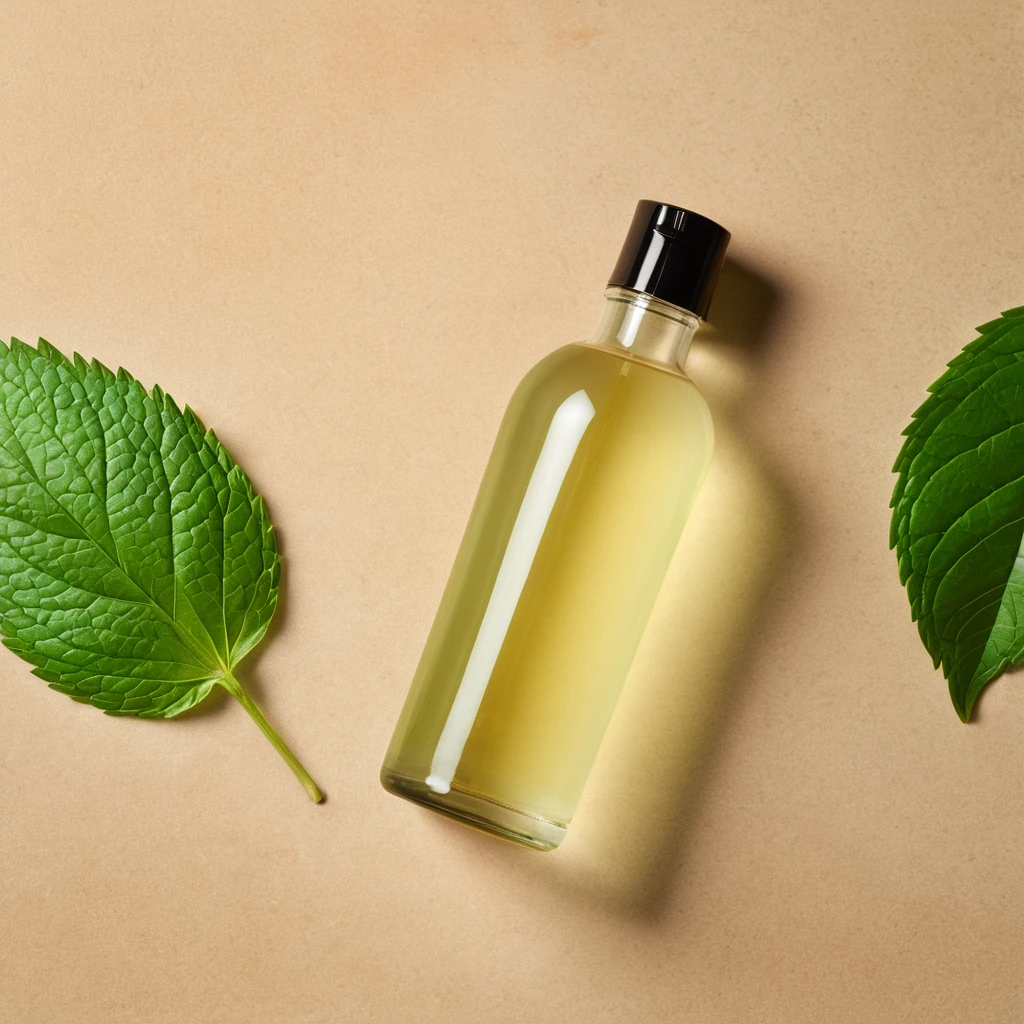
Peppermint Oil: The Ancient Herb with Modern Science
Peppermint (Mentha x piperita) is a natural hybrid of watermint and spearmint that has been prized as a medicinal herb since the days of ancient Greece, Rome, and Egypt. Its use for digestive disorders stretches back thousands of years, and today it remains one of the most widely used and well-studied medicinal plants in the world.
Peppermint oil — the essential oil extracted from the flowering parts and leaves of the peppermint plant — contains extraordinarily high concentrations of menthol and menthone, the compounds responsible for its characteristic cooling sensation and much of its therapeutic activity. Here is a comprehensive look at what the science says.
Science-Backed Peppermint Oil Benefits
1. Irritable Bowel Syndrome (IBS)
This is peppermint oil’s strongest and most clinically validated use. A landmark 2022 meta-analysis published in Alimentary Pharmacology & Therapeutics reviewed 10 clinical trials involving over 1,000 participants and found that peppermint oil was superior to placebo in improving overall IBS symptoms and reducing abdominal pain. The American College of Gastroenterology (ACG) included peppermint oil in its 2021 clinical guideline as a recommended treatment for IBS symptom relief — making it one of the few herbal remedies officially endorsed by a major medical organization.
The key is enteric-coated capsules, which prevent the oil from dissolving in the stomach (which could cause heartburn) and release it in the intestines where it acts as an antispasmodic, relaxing the smooth muscles of the gut wall and reducing spasming, pain, and urgency.
2. Nausea and Vomiting
A 2024 review of aromatherapy studies found that inhaling peppermint oil was particularly effective at reducing nausea and vomiting in cancer patients undergoing chemotherapy. Peppermint oil aromatherapy is also used for post-surgical nausea and general nausea relief — and many people find that simply inhaling peppermint from a personal inhaler or damp tissue provides rapid relief from motion sickness and mild nausea.
3. Headache and Tension Relief
Applying diluted peppermint oil to the temples and forehead has been shown in several studies to relieve tension headaches effectively and comparably to standard pain relief medication. The cooling effect of menthol creates a sensation that appears to interrupt pain signaling pathways, providing meaningful relief without systemic side effects. This is one of the most popular and practical applications of peppermint oil in everyday wellness.
4. Indigestion and Functional Dyspepsia
Combination products containing peppermint oil and caraway oil have demonstrated benefits for functional indigestion (non-ulcer dyspepsia) — reducing bloating, stomach pressure, and abdominal discomfort. Several systematic reviews have confirmed this combination’s effectiveness, making it a well-established herbal approach to digestive complaints.
5. Antimicrobial and Antifungal Activity
Laboratory studies have confirmed that peppermint oil has significant antimicrobial activity against a wide range of bacteria and fungi. This explains its traditional use for respiratory infections, oral health, and skin conditions. Peppermint tea is a popular home remedy for sore throats and respiratory infections, and its antimicrobial properties make it useful in natural oral care products.
6. Skin Care and Cooling
Diluted peppermint oil has multiple skin care applications:
- Scalp health: Peppermint oil has shown promise in studies for promoting hair growth. One study found it stimulated hair growth comparably to minoxidil in mice, and it’s widely used in natural hair care for scalp stimulation and relief from dandruff.
- Cooling and soothing: For sunburn, minor skin irritation, or itchy skin, diluted peppermint oil provides immediate cooling relief.
- Muscle soreness: Applied to sore muscles after exercise, peppermint oil’s analgesic and cooling properties help reduce discomfort.
Peppermint in the Arab World
Peppermint — known as na’na’ (نعناع) in Arabic — is one of the most beloved herbs across the Arab world. Fresh mint tea (shay bil-na’na’) is a cultural institution from Morocco to the Gulf, served as a symbol of hospitality and valued for its digestive and refreshing properties. Dried peppermint leaves have long been used in traditional medicine across the Arab world for stomach complaints, headaches, and respiratory issues — uses that modern science is now confirming with clinical evidence.
How to Use Peppermint Oil Safely and Effectively
For IBS and Digestive Support
Use enteric-coated peppermint oil capsules (0.2–0.4 mL per capsule, 2–3 times daily before meals). Do not open capsules — the enteric coating is essential for them to reach the intestines intact.
For Headaches
Dilute 2–3 drops of peppermint essential oil in 1 teaspoon of carrier oil (such as fractionated coconut or jojoba oil). Apply to the temples, forehead, and back of the neck at the first sign of a tension headache. Avoid the eye area.
For Nausea
Add 3–5 drops to a diffuser, or place 1–2 drops on a cotton ball and inhale slowly for 3–5 minutes. Personal aromatherapy inhalers are particularly convenient.
For Peppermint Tea
Steep 1–2 teaspoons of dried peppermint leaves in freshly boiled water for 5–10 minutes. Drink after meals for digestive support or before bed for a calming, digestive-settling effect.
Safety Considerations
Peppermint oil is safe when used correctly, but there are important precautions:
- Never apply undiluted to skin — always dilute in a carrier oil (2–3% maximum for topical use).
- Keep away from children’s faces — menthol can cause breathing difficulties in infants and young children. Never apply peppermint oil to the face, neck, or chest of a child under 6.
- Oral peppermint oil can cause heartburn, nausea, and abdominal pain in some people — enteric-coated capsules reduce these risks.
- Rare allergic skin reactions may occur. Patch test before widespread topical use.
- Peppermint tea is safe during pregnancy in food amounts; medicinal doses should be discussed with a healthcare provider.
The Bottom Line
Peppermint oil is one of nature’s most versatile and clinically validated herbal remedies. From IBS relief backed by major gastroenterology guidelines, to fast-acting headache relief and effective nausea management, it delivers real results across a remarkably broad range of applications. Whether you prefer peppermint tea, essential oil, or supplements, BTNaturals offers premium peppermint products to support your wellness journey naturally.
Discover our premium peppermint and herbal products at B&T Naturals Herbal Collection.
For further reading on peppermint oil, visit the peppermint oil overview on Wikipedia.