Tea Tree Oil: From Australian Wilderness to Your Bathroom
Tea tree oil (Melaleuca alternifolia) has one of the most fascinating origin stories in the world of natural medicine. For thousands of years before European settlement, the Aboriginal people of eastern Australia used the leaves of the tea tree plant as a traditional medicine — crushing them to extract the oil and applying it to wounds, burns, and insect bites. Today, tea tree oil is one of the world’s most widely used essential oils, found in face washes, moisturizers, shampoos, nail treatments, and household cleaners in over 100 countries.
And unlike many popular natural products, tea tree oil’s effectiveness is backed by a meaningful body of clinical evidence.
What Makes Tea Tree Oil Effective?
Tea tree oil contains over 100 different chemical components, but the key active compound is terpinen-4-ol, which makes up 30–48% of high-quality oil. This compound is primarily responsible for the oil’s potent antimicrobial, antifungal, anti-inflammatory, and antiviral properties. High terpinen-4-ol content is the gold standard indicator of quality tea tree oil.
Evidence-Based Tea Tree Oil Benefits
1. Acne Treatment
Multiple clinical trials and systematic reviews — including a comprehensive 2023 review published in Antioxidants — have found that topical tea tree oil is effective for reducing acne lesions and severity. A widely cited study compared a 5% tea tree oil gel to 5% benzoyl peroxide (a standard acne treatment) and found that while benzoyl peroxide worked slightly faster, tea tree oil produced comparable overall improvements with significantly fewer side effects (less dryness, peeling, and irritation). For those looking for a more natural, gentler acne treatment, tea tree oil is one of the most evidence-backed options available.
2. Athlete’s Foot (Tinea Pedis)
Research confirms that topical tea tree oil preparations can effectively treat athlete’s foot, though they may not work as rapidly as pharmaceutical antifungal creams like clotrimazole. A 2023 systematic review published in Frontiers in Pharmacology confirmed tea tree oil’s antiparasitic and antifungal activity. For mild to moderate athlete’s foot, regular application of a 10–25% tea tree oil preparation represents a credible natural alternative to pharmaceutical treatments.
3. Fungal Nail Infections (Onychomycosis)
Nail fungal infections are notoriously difficult to treat. While pharmaceutical treatments (oral antifungals) are most effective, tea tree oil has been studied as a topical treatment option for mild infections. Research shows some benefit, particularly when used consistently over several months. For those who prefer to avoid oral antifungal medications, concentrated tea tree oil applied daily to affected nails is a popular and reasonably evidence-backed approach.
4. Scalp Health and Dandruff
A 5% tea tree oil shampoo was shown in a clinical trial to produce significant improvements in dandruff severity compared to placebo. Tea tree oil’s antifungal and anti-inflammatory properties help address the Malassezia yeast that contributes to dandruff and seborrheic dermatitis. Adding a few drops of tea tree oil to your regular shampoo, or using a tea tree oil–infused shampoo, is an easy way to support scalp health.
5. Wound Healing and Infection Prevention
Tea tree oil’s broad-spectrum antimicrobial activity makes it valuable for minor wound care. When properly diluted, it can help prevent bacterial infection in minor cuts, scrapes, and insect bites — consistent with the Aboriginal Australians’ traditional use that inspired its discovery by European medical researchers. Some studies also suggest it may help reduce healing time for minor wounds.
6. Oral Health
Low-concentration tea tree oil mouthwashes have been studied for gingivitis, dental plaque, and bad breath (halitosis). Preliminary research suggests potential benefits, though the evidence is still limited. Important note: Tea tree oil mouthwashes must never be swallowed — tea tree oil is toxic when ingested orally and can cause serious neurological symptoms including confusion and loss of coordination.
How to Use Tea Tree Oil Safely
Tea tree oil is one of the safer essential oils for topical use when diluted properly, but “natural” does not automatically mean “safe to use undiluted.” Here are key guidelines:
Dilution Guidelines
- Face and sensitive skin: 1–2% dilution (1–2 drops per teaspoon of carrier oil)
- Body skin: 2–5% dilution (2–5 drops per teaspoon of carrier oil)
- Nail treatment: 10–25% dilution or use undiluted only on nails (not surrounding skin)
- Scalp: Add 5 drops to your regular shampoo serving before applying
Best Carrier Oils for Tea Tree Oil
- Jojoba oil: Non-comedogenic, excellent for acne-prone skin
- Coconut oil: Rich and moisturizing, with complementary antimicrobial properties
- Sweet almond oil: Light and skin-friendly for general body use
- Argan oil: Premium choice for facial applications
Safety Warnings
- Never ingest tea tree oil — it is toxic when swallowed and can cause serious symptoms including confusion, unsteadiness, and coma.
- Always dilute before applying to skin to avoid irritation or sensitization.
- Patch test on a small area before widespread use, especially for sensitive skin.
- Older tea tree oil that has been exposed to air, light, or heat undergoes oxidation that increases the risk of skin reactions — store in a cool, dark place and replace after 1–2 years.
- Tea tree oil products for topical use are generally considered safe during pregnancy and breastfeeding.
Choosing Quality Tea Tree Oil
Quality matters enormously with tea tree oil. Look for:
- Terpinen-4-ol content of 30–48%: The higher, the more potent and therapeutic
- 1,8-cineole content below 15%: High cineole content indicates inferior or adulterated oil
- 100% pure, steam-distilled Melaleuca alternifolia oil with no added solvents or synthetic ingredients
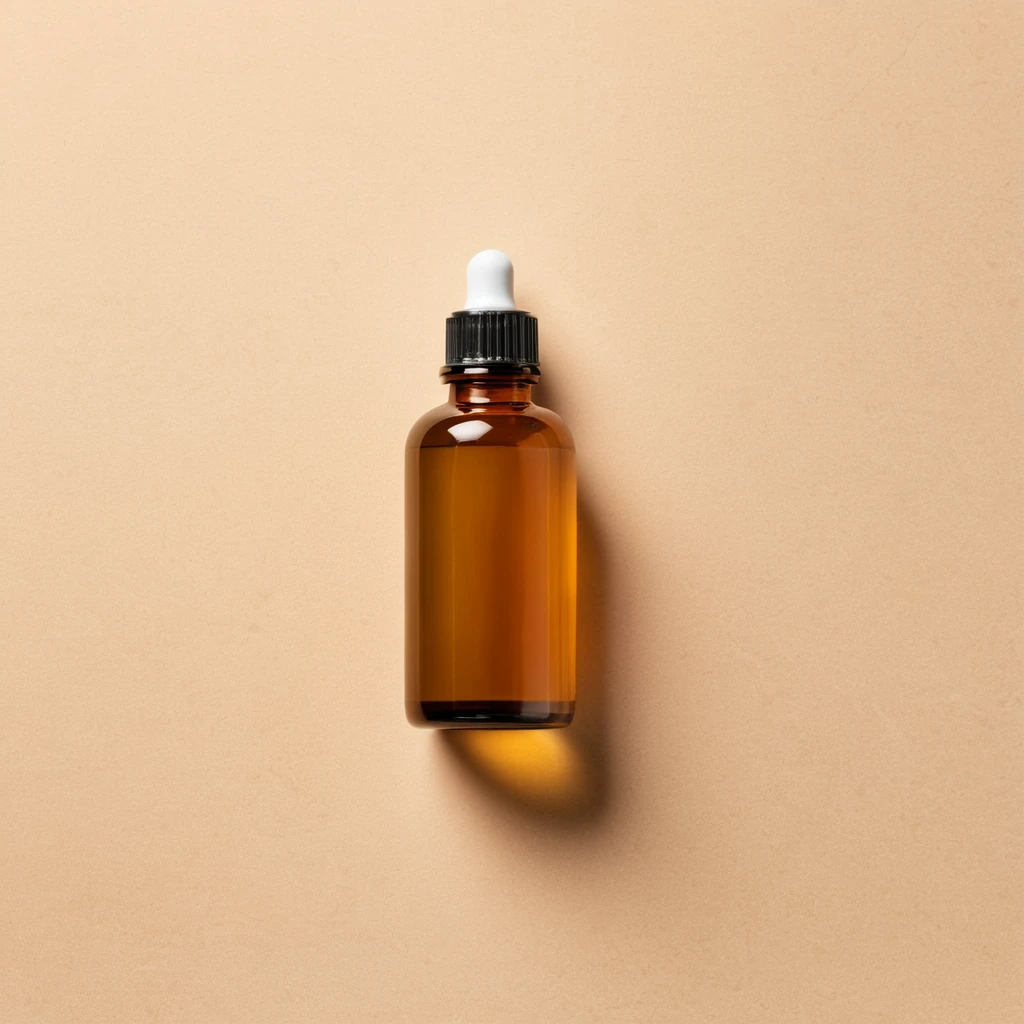
- Dark glass bottle: To protect from oxidation and light damage
The Bottom Line
Tea tree oil is one of the most versatile and genuinely effective essential oils available, with clinical evidence supporting its use for acne, fungal infections, dandruff, and wound care. When used properly — diluted, topically, and never ingested — it is a safe and powerful addition to any natural skincare and wellness routine. Explore BTNaturals’ premium tea tree oil products, sourced for maximum purity and therapeutic potency.
Explore our range of natural essential oils at B&T Naturals Essential Oils and find the best products for your skin care routine.
For further reading on tea tree oil, visit the tea tree oil overview on Wikipedia.