
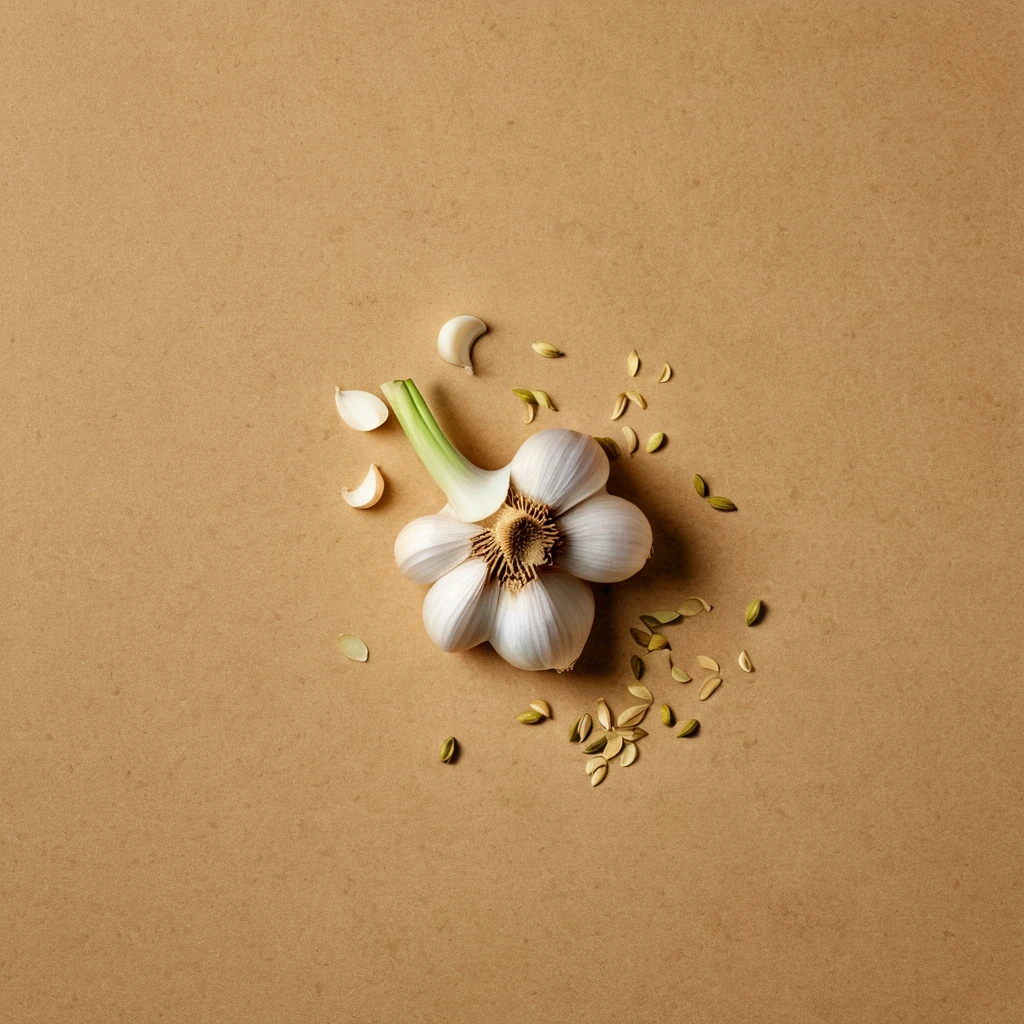
Garlic: 5,000 Years of Medicinal Tradition
Garlic (Allium sativum) is one of the most ancient and universally revered medicinal plants in human history. Ancient Egyptian papyri from 3,500 years ago record garlic being given to pyramid workers to maintain their strength and health. Greek physicians including Hippocrates prescribed it for a range of conditions. Ancient Indian Ayurvedic texts celebrated its cardiovascular and immune-boosting properties. And in traditional Arab medicine, garlic has long been considered one of nature’s most potent healers.
Today, garlic is one of the most heavily researched herbal medicines in the scientific literature, with hundreds of peer-reviewed studies examining its effects on cholesterol, blood pressure, blood sugar, cancer prevention, and immune function. Here is a thorough look at what the evidence actually shows.
What Makes Garlic Medicinal?
When raw garlic is crushed or chopped, an enzyme called alliinase converts the compound alliin into allicin — the primary bioactive compound responsible for garlic’s pungent smell and most of its therapeutic effects. Allicin is unstable and quickly converts to other sulfur-containing compounds including diallyl disulfide, diallyl trisulfide, and ajoene. These compounds collectively provide:
- Potent antimicrobial and antifungal activity
- Cardiovascular-protective effects (cholesterol reduction, blood pressure support)
- Anti-inflammatory and antioxidant properties
- Immune system modulation
- Anti-platelet (blood-thinning) activity
Heating garlic significantly reduces its allicin content. If using garlic for health purposes, crush or chop fresh garlic and let it sit for 10 minutes before cooking — this allows alliinase activity to stabilize the beneficial compounds so they survive moderate heat.
Evidence-Based Garlic Health Benefits
1. Cholesterol Reduction
This is one of garlic’s most consistently demonstrated benefits. Multiple meta-analyses of randomized controlled trials have found that garlic supplements can modestly but significantly reduce total cholesterol and LDL (“bad”) cholesterol in people with elevated levels. A comprehensive meta-analysis found average reductions of 7–12 mg/dL in total cholesterol — meaningful reductions that, sustained over time, contribute to cardiovascular risk reduction. Garlic has a neutral to slightly positive effect on HDL (“good”) cholesterol and triglycerides.
2. Blood Pressure Support
Several clinical trials have found that garlic supplements can reduce systolic and diastolic blood pressure to a modest extent in people with hypertension (high blood pressure). While the reductions (typically 5–10 mmHg in systolic pressure) are not dramatic enough to replace pharmaceutical antihypertensive medications in people with severe hypertension, they are clinically meaningful as part of a comprehensive lifestyle approach to blood pressure management.
3. Blood Sugar and Diabetes Support
Research suggests that garlic supplements may reduce fasting blood glucose to a small extent in people with diabetes. The mechanisms include enhanced insulin sensitivity and reduced glucose absorption in the gut. While garlic alone is not a treatment for diabetes, regular garlic consumption as part of an anti-inflammatory, whole-food diet may contribute to better blood sugar management.
4. Immune Function
Garlic has a long traditional reputation as an immune booster — used across cultures to fight colds, infections, and general immune weakness. While the clinical evidence is limited, a small number of studies suggest that garlic supplementation may reduce the frequency and duration of the common cold. Garlic’s broad-spectrum antimicrobial properties are well-established in laboratory studies, and regular culinary use of garlic is associated with a generally robust immune status in population-level studies.
5. Cancer Prevention
Epidemiological studies have observed associations between higher garlic consumption and lower rates of certain cancers, particularly stomach cancer and colorectal cancer. However, it is important to note that observational associations do not prove causation. The current scientific consensus is that while garlic’s sulfur compounds show cancer-inhibiting properties in laboratory studies, the evidence from human trials is insufficient to make definitive cancer prevention claims. That said, regular garlic consumption is considered a component of a generally cancer-protective diet.
6. Antimicrobial Properties
Garlic’s allicin and related compounds have demonstrated broad antimicrobial activity against bacteria, viruses, fungi, and even some parasites in laboratory conditions. This has prompted research into garlic’s potential as a natural antibiotic alternative, though much of this evidence remains at the laboratory level. Nevertheless, garlic’s antimicrobial properties help explain its traditional use across cultures for fighting infections.
Garlic in Arab and Islamic Medicine
Garlic — known in Arabic as thum (ثوم) — has been a cornerstone of Arab traditional medicine for millennia. Ibn Sina (Avicenna) recommended garlic for a wide range of conditions in his Canon of Medicine. It is extensively used in traditional Emirati, Lebanese, Yemeni, and North African cooking, and appears in traditional remedies for digestive complaints, respiratory infections, and cardiovascular health. Many Emirati grandmothers’ home remedy collections include garlic-honey mixtures for colds, garlic-infused olive oil for ear infections, and garlic tea for immunity.
How to Get the Most from Garlic
Fresh Garlic (Most Potent)
Crush or finely chop 1–3 fresh garlic cloves. Wait 10 minutes before cooking (this maximizes alliinase activity). Add to olive oil for a raw garlic dressing, mix into yogurt for tzatziki-style dips, or incorporate into cooking at the end of heat exposure to preserve more allicin.
Raw Garlic Tonic
Mince one clove of fresh garlic, let sit for 10 minutes, then mix with a tablespoon of raw honey and consume first thing in the morning. This is a traditional immune and cardiovascular tonic used across the Arab world, South Asia, and the Mediterranean.
Aged Garlic Extract (Supplements)
Aged garlic extract (AGE), produced by soaking raw garlic in ethanol for extended periods, converts allicin to more stable and odorless S-allyl compounds. Research suggests aged garlic extract is particularly effective for cardiovascular benefits and is better tolerated (less odor, fewer GI side effects) than raw garlic supplements. Kyolic is a well-known standardized AGE brand widely studied in clinical trials.
Safety Considerations
Garlic is very safe as a food ingredient. As a supplement, it has been used safely in research studies lasting up to 7 years. Key precautions include:
- Blood-thinning effect: Garlic has anti-platelet (blood-thinning) activity. If you take warfarin, aspirin, or other anticoagulants, consult your doctor before taking garlic supplements — especially if you have surgery scheduled.
- GI side effects: Raw garlic can cause breath/body odor, heartburn, flatulence, and nausea in some people. Aged garlic extract supplements are generally better tolerated.
- Skin burns: Raw garlic applied directly to skin can cause severe chemical burns — do not apply neat/undiluted garlic to skin.
- Drug interactions: Garlic may interact with HIV medications (saquinavir) and possibly other drugs — check with your pharmacist.
The Bottom Line
Garlic is not just a flavor — it’s a medicine. With thousands of years of traditional use, hundreds of scientific studies, and a compelling evidence base for cardiovascular and immune benefits, garlic stands as one of nature’s most powerful and accessible wellness tools. Making fresh garlic a consistent part of your diet is one of the most evidence-backed dietary choices you can make for long-term health. Explore BTNaturals’ premium garlic products — from fresh dried garlic to high-quality aged garlic supplements.
For further reading on garlic, visit the garlic overview on Wikipedia.