
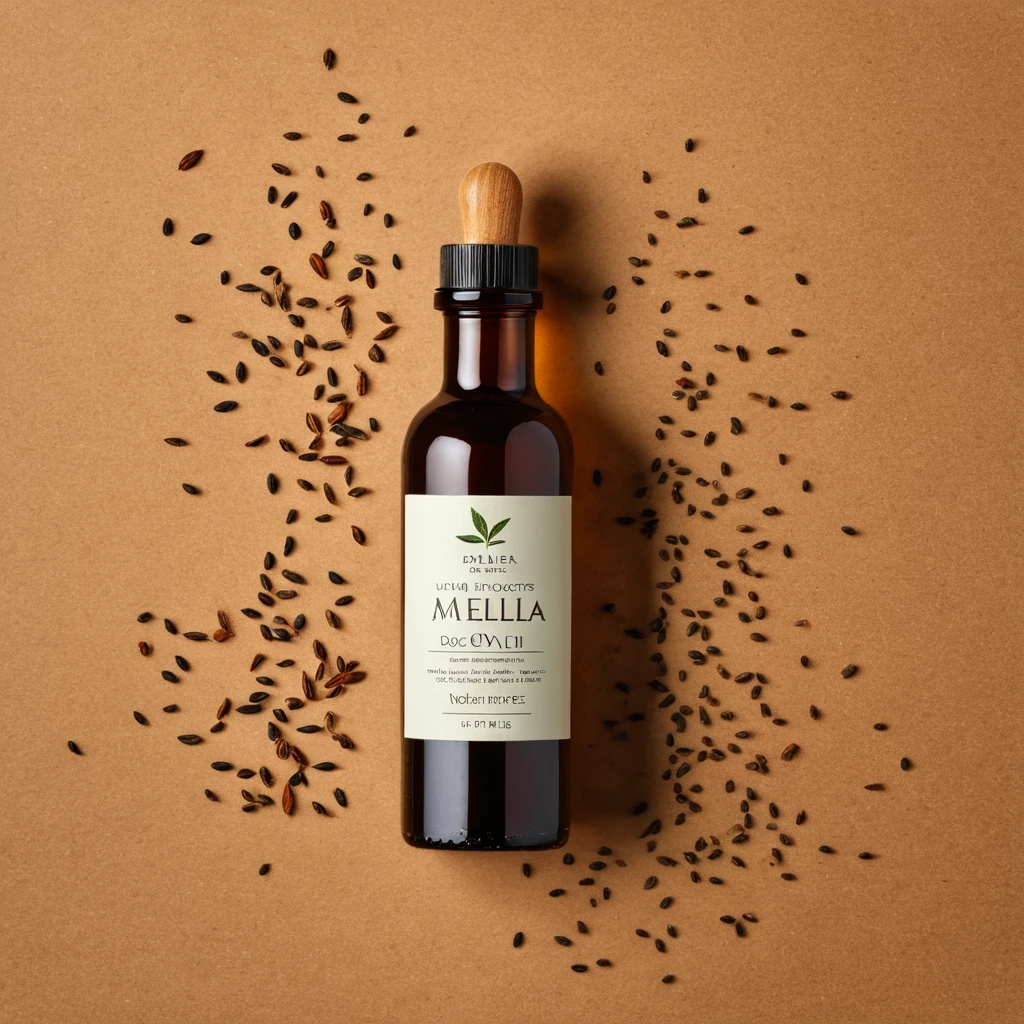
A Sacred Healing Tradition Validated by Modern Science
Few herbs carry the cultural and spiritual significance of black seed (Nigella sativa). Known variously as black seed, black cumin, kalonji, or habbatus sauda in Arabic, this small black seed from a flowering plant native to Southwest Asia and the Mediterranean has been used medicinally for over 3,000 years.
In Islamic tradition, a famous hadith (attributed to the Prophet Muhammad ﷺ) describes black seed as “a cure for every disease except death” — a statement that has driven centuries of reverent use and, more recently, thousands of scientific studies. Today, Nigella sativa is one of the most researched medicinal plants in the world, with over 1,000 published scientific papers examining its properties.
The Active Compounds That Make It Remarkable
The primary active compound in black seed oil is thymoquinone (TQ), a phytochemical responsible for most of its documented therapeutic effects. Thymoquinone has demonstrated:
- Potent anti-inflammatory activity (inhibiting inflammatory enzymes COX-1, COX-2, and 5-LOX)
- Powerful antioxidant activity — often compared to vitamin E and C in laboratory studies
- Antimicrobial activity against bacteria, fungi, and certain viruses
- Immunomodulatory effects (balancing and supporting immune function)
- Anticancer properties in laboratory and animal studies
- Hepatoprotective (liver-protecting) effects
Black seed oil also contains significant amounts of fixed oils (particularly linoleic acid and oleic acid), essential oils, alkaloids, terpenes, and flavonoids that contribute to its broad therapeutic activity.
Science-Backed Benefits of Black Seed Oil
1. Allergy and Asthma Relief
This may be black seed oil’s most consistently demonstrated human benefit. Multiple clinical trials have found that black seed oil supplementation significantly reduces symptoms of allergic rhinitis (hay fever), including nasal congestion, sneezing, itching, and runny nose. Several studies have also found improvements in asthma symptoms — reducing attack frequency, wheezing, and lung function markers. The mechanism involves thymoquinone’s inhibition of inflammatory mediators (histamine, leukotrienes) that drive allergic responses.
2. Blood Sugar Management
A significant body of clinical research has found that black seed oil supplementation can meaningfully reduce fasting blood glucose and HbA1c (a measure of long-term blood sugar control) in people with type 2 diabetes. A 2017 meta-analysis of 7 clinical trials concluded that Nigella sativa supplementation produced significant improvements in blood sugar and insulin resistance. These effects appear to involve multiple mechanisms including pancreatic beta cell protection and enhanced insulin sensitivity.
3. Blood Pressure and Cholesterol
Several randomized controlled trials have found that black seed oil can reduce both systolic and diastolic blood pressure, as well as improve blood lipid profiles — reducing total cholesterol, LDL cholesterol, and triglycerides while potentially increasing HDL cholesterol. For people seeking natural support for cardiovascular risk factors, black seed oil represents one of the most multi-faceted herbal options available.
4. Immune System Support and Anti-Infection
Black seed oil has demonstrated broad-spectrum antimicrobial activity in laboratory studies — effective against Staphylococcus aureus, E. coli, Helicobacter pylori (the bacteria that causes stomach ulcers), Candida albicans, and various respiratory pathogens. Clinical studies suggest it may help reduce the frequency and severity of upper respiratory tract infections when taken preventively. Its immunomodulatory effects help support both innate and adaptive immune responses.
5. Skin Health
Applied topically, black seed oil has demonstrated benefits for several skin conditions:
- Eczema: Clinical studies have found topical black seed oil comparable to betamethasone cream for reducing eczema severity
- Acne: Its antimicrobial and anti-inflammatory properties reduce acne lesions and redness
- Psoriasis: Anti-inflammatory effects may help reduce psoriatic plaques
- Vitiligo: Preliminary research suggests potential benefits for skin repigmentation
- General moisturization: The fatty acid profile supports skin barrier function and moisture retention
6. Hair Growth and Scalp Health
Black seed oil is one of the most popular traditional remedies for hair loss across the Arab and South Asian worlds. A clinical study found that a lotion containing Nigella sativa significantly increased the number of hair follicles and reduced hair shedding. Its anti-inflammatory effects on the scalp and antifungal properties against Malassezia (a scalp yeast associated with dandruff and some forms of hair loss) contribute to its effectiveness for scalp health.
Black Seed Oil in UAE and Arab Culture
Black seed holds a unique place in the hearts and homes of Muslim families across the world. In the UAE and throughout the Arab world, habbatus sauda (حبة السوداء) is a household staple — consumed daily as a preventive health tonic, applied to the scalp for hair growth, used topically for skin conditions, and recommended by traditional healers (attar) for everything from digestive complaints to immune weakness. The combination of deep religious significance, cultural tradition, and now modern scientific validation makes black seed oil one of the most meaningful and trusted natural health products in the Arab market.
How to Use Black Seed Oil
Internal Use (for health benefits)
- Standard dose: 1–3 teaspoons (5–15 mL) of cold-pressed black seed oil per day, or as directed by a healthcare practitioner
- With honey: Mix 1 teaspoon of black seed oil with a tablespoon of raw honey — this is the most traditional and popular method, improving palatability and combining complementary health benefits
- In yogurt or smoothies: Stir into plain yogurt or blend into smoothies for an easier way to take the oil daily
- Capsules: For those who find the taste too strong, high-quality black seed oil capsules provide standardized doses
Topical Use (for skin and hair)
- For skin: Apply a few drops directly to affected areas (acne, eczema, dry patches) once or twice daily. Can also be mixed with lighter carrier oils (like jojoba) for a less intense application on larger areas.
- For hair and scalp: Massage into scalp and hair, leave for 30–60 minutes or overnight, then wash out. Mix with coconut or jojoba oil for easier application.
Safety and Precautions
- Black seed oil is generally safe for most people when used in food amounts or supplemented at typical doses (1–3g/day).
- It may have blood sugar-lowering and blood pressure-lowering effects — those on medications for diabetes or hypertension should monitor closely and consult their doctor.
- Due to its potential effects on blood clotting, discontinue use 2 weeks before surgery.
- Use with caution during pregnancy — high doses may have uterine-stimulating effects.
- Some people experience mild GI discomfort initially — start with a small dose and increase gradually.
The Bottom Line
Black seed oil occupies a truly unique place in the world of natural medicine — where ancient tradition, religious significance, and modern science converge in a remarkably compelling way. The breadth of its scientifically demonstrated benefits — allergy relief, blood sugar management, cardiovascular support, immune enhancement, and skin and hair health — makes it one of the most versatile and valuable natural health products available. At BTNaturals, we offer premium cold-pressed black seed oil sourced from the finest Nigella sativa crops, honoring both the tradition and the science of this extraordinary herb.