Argan Oil: Morocco’s Most Precious Natural Gift
Argan oil is extracted from the kernels of the argan tree (Argania spinosa), a remarkably hardy species that grows almost exclusively in the semi-arid regions of southwestern Morocco. For centuries, Berber women of the region have used argan oil for cooking, skin care, hair treatment, and cosmetic purposes — making it one of the oldest continuously used beauty oils in the world.
Today, argan oil has achieved global recognition as a premium beauty ingredient. The argan tree is so culturally and ecologically important that UNESCO has designated the Arganeraie region of Morocco as a UNESCO Biosphere Reserve. Genuine, traditional hand-extracted argan oil from this region is among the most labor-intensive natural products in existence — it takes approximately 10 hours of manual labor to produce just 1 liter of oil — which explains its “liquid gold” reputation and premium pricing.
What Makes Argan Oil So Effective?
Argan oil’s remarkable properties come from its unique nutritional composition:
- Oleic acid (omega-9): 43–49%, providing deep moisturization and skin barrier strengthening
- Linoleic acid (omega-6): 29–36%, essential for skin cell membrane integrity and reducing inflammation
- Vitamin E (tocopherols): One of the highest vitamin E concentrations of any natural oil — up to 620 mg/kg. This potent antioxidant protects against UV damage, environmental pollution, and free radical–induced aging.
- Polyphenols and antioxidants: Including caffeic acid and vanillic acid
- Ferulic acid: A powerful antioxidant that enhances the effectiveness of vitamin E and C
- Sterols (especially schottenol and spinasterol): Unique plant sterols with anti-inflammatory and skin-healing properties not found in most other oils
- Squalene: A natural emollient that protects and softens skin
Proven and Studied Argan Oil Benefits
1. Anti-Aging Skin Care
A clinical study published in the Clinical Interventions in Aging journal found that postmenopausal women who consumed argan oil daily showed significant improvement in skin elasticity after 60 days. The combination of argan oil’s extraordinary vitamin E content, linoleic acid (which supports ceramide production and skin barrier function), and polyphenols makes it one of the most comprehensive natural anti-aging skin care ingredients available. Regular use helps reduce the appearance of fine lines, improve skin firmness, and restore youthful radiance.
2. Moisturization and Skin Barrier Repair
Argan oil’s balanced ratio of oleic and linoleic acids mirrors the composition of healthy human skin lipids, making it exceptionally effective at restoring and maintaining the skin’s moisture barrier. For people with dry, damaged, or compromised skin (including those dealing with harsh UAE climate conditions such as heat, air conditioning, and sun exposure), argan oil provides deep, lasting moisture that supports long-term skin health rather than just temporary surface hydration.
3. Acne and Sebum Regulation
Counterintuitively, argan oil is one of the better facial oils for acne-prone skin, particularly where acne is driven by excessive dryness and over-production of sebum (the skin’s compensatory response to dehydration). Argan oil’s linoleic acid–rich composition helps regulate sebum production, and its anti-inflammatory and antimicrobial properties help reduce acne severity. A small clinical study found that participants using an argan oil–based cream experienced significant reductions in sebum and improvements in facial shine.
4. Hair Care and Frizz Control
Argan oil may be even more famous for hair care than skin care. Its lipid composition allows it to penetrate the hair shaft and cuticle, providing moisture from the inside out — not just surface coating like silicone-based hair products. Regular use of argan oil on hair:
- Dramatically reduces frizz and flyaways
- Improves hair shine and smoothness
- Strengthens hair against breakage and split ends
- Protects against heat damage from styling tools
- Soothes scalp irritation and dryness
5. Nail Strengthening
Argan oil’s vitamin E and essential fatty acids are highly effective for strengthening brittle nails and moisturizing dry, cracked cuticles. Massaging a few drops of argan oil into nails and cuticles daily is a simple, natural approach to nail health used by professional nail technicians worldwide.
6. Stretch Marks and Scar Reduction
Argan oil has been traditionally used in Morocco during pregnancy to prevent stretch marks, and there is scientific basis for this use. Its combination of vitamin E (which supports collagen production and skin elasticity), linoleic acid (supporting skin barrier repair), and anti-inflammatory compounds supports skin recovery from stretch marks, scars, and skin damage when applied regularly over time.
Culinary Argan Oil: The Nutritional Benefits
Culinary-grade argan oil (produced from roasted kernels — distinct from the cold-pressed cosmetic version) is a prized Moroccan condiment with its own health benefits. Used as a finishing oil for salads, dips, and couscous (never for high-heat cooking), culinary argan oil provides:
- High oleic acid content supporting cardiovascular health (similar to olive oil)
- Significant antioxidant polyphenol content
- Unique plant sterols with cholesterol-lowering properties
- A delicious, nutty flavor profile that enhances traditional Moroccan and Mediterranean dishes
Argan Oil and the UAE Beauty Community
Argan oil has become one of the most beloved natural beauty products across the UAE and Arab world. The cultural appreciation for traditional, nature-derived beauty remedies runs deep in the region — from the traditional use of rose water, olive oil, and henna to the enthusiastic adoption of newer discoveries like argan oil. Emirati and Arab beauty consumers are among the most discerning in the world, and argan oil’s combination of heritage, luxury, and genuine efficacy resonates strongly with this market.
How to Identify Genuine, High-Quality Argan Oil
Unfortunately, the premium reputation of argan oil has attracted significant adulteration and mislabeling. Here’s how to identify genuine quality:
- Country of origin: Should be Morocco (the argan tree grows almost exclusively there)
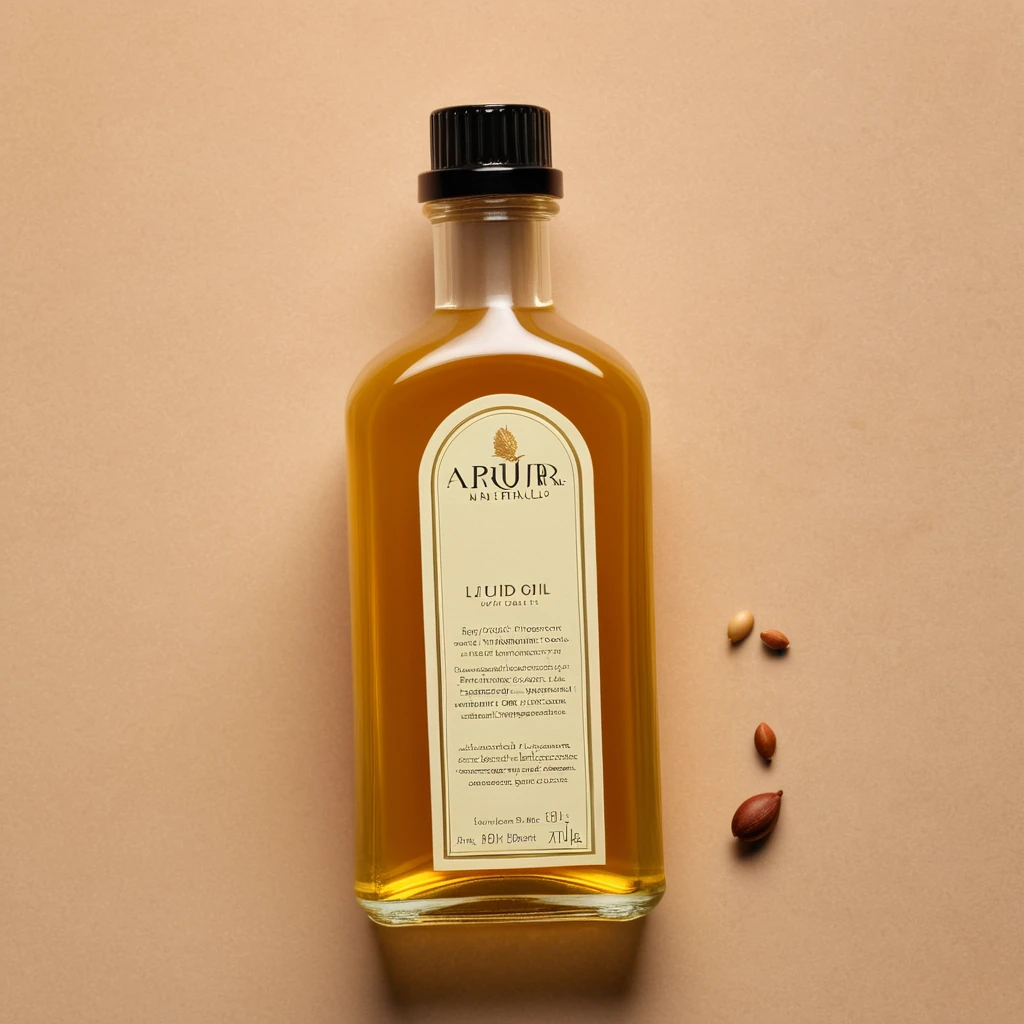
- Color: Cosmetic argan oil should be golden-yellow; perfectly clear or very pale oil may be over-refined
- Smell: Genuine cosmetic argan oil has a faint, pleasant nutty aroma. Pure argan oil should NOT be odorless (if it’s completely odorless, it’s likely heavily refined or adulterated)
- Ingredient list: The only ingredient should be Argania Spinosa Kernel Oil. Nothing else.
- Processing: Look for “cold-pressed” and “unrefined” for the most therapeutic cosmetic argan oil
- Fair trade or cooperative sourcing: Argan oil produced by Moroccan women’s cooperatives ensures authenticity and supports the communities that have cultivated the art of argan oil production for generations
The Bottom Line
Argan oil has earned its “liquid gold” reputation through centuries of traditional use backed by genuine scientific evidence. For skin care, hair care, nail health, and even nutrition, argan oil offers a remarkable range of benefits in one elegant, versatile product. BTNaturals offers carefully sourced, authentic argan oil — because when it comes to liquid gold, authenticity is everything.
For further reading on argan oil, visit the argan oil overview on Wikipedia.