
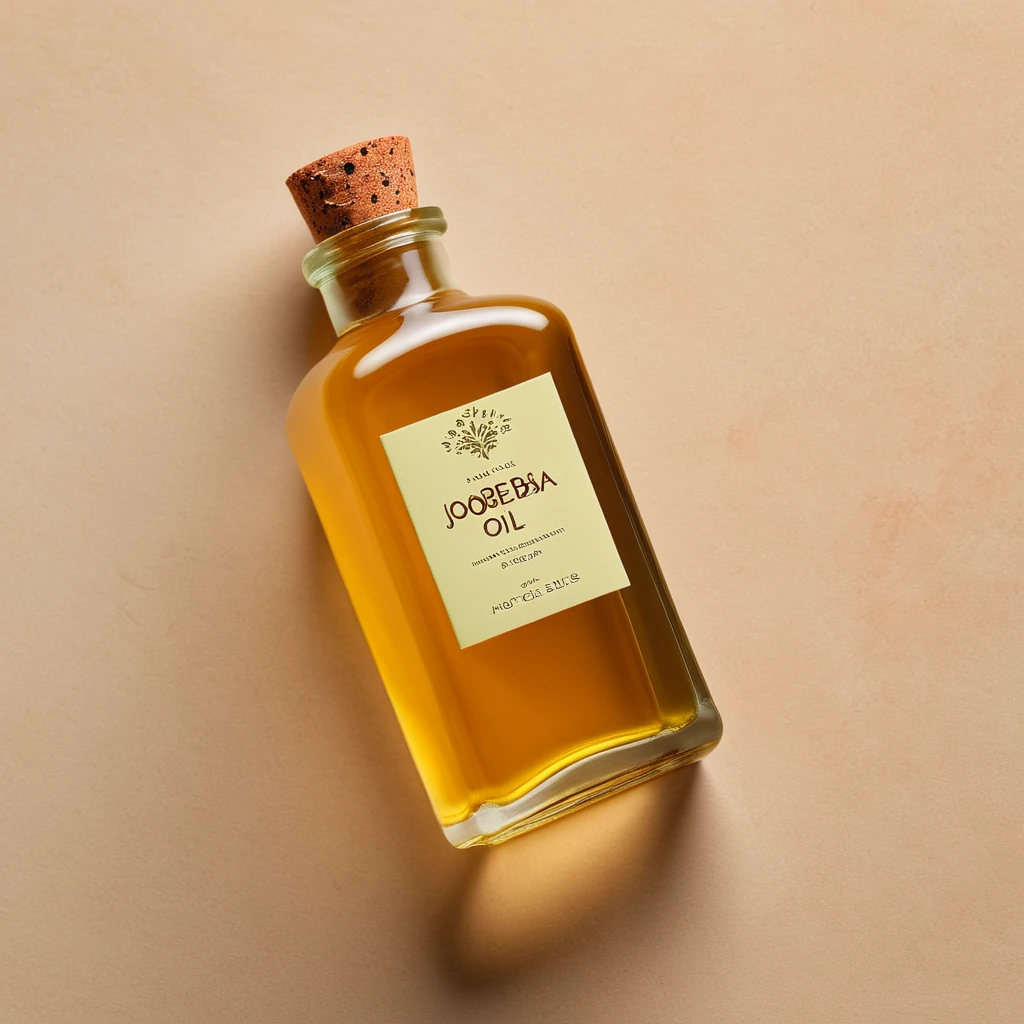
The Most Unique “Oil” in the Natural Beauty World
Jojoba oil (Simmondsia chinensis) has a secret that most people don’t know: it’s not technically an oil at all. Extracted from the seeds of the jojoba shrub — a drought-tolerant plant native to the Sonoran Desert of Arizona, California, and northwestern Mexico — jojoba is actually a liquid wax ester. This distinction is not merely botanical pedantry; it fundamentally explains why jojoba is so extraordinary for skin care.
The wax esters in jojoba oil are structurally almost identical to the sebum (natural oil) produced by human skin. This means jojoba is recognized and accepted by skin cells as if it were their own natural oil — making it remarkably compatible, non-irritating, and effective for virtually every skin type, including combination and oily skin.
Why Jojoba Oil Is Different from Other Carrier Oils
Most vegetable oils — argan, coconut, almond, rosehip — are composed of triglycerides (fatty acid esters of glycerol). These oils can oxidize over time and go rancid. Jojoba’s liquid wax structure makes it uniquely stable: it does not oxidize, has an extremely long shelf life (5+ years), and does not clog pores in the same way that triglyceride-based oils can. This makes it one of the most reliable and long-lasting carrier oils available.
Key Benefits of Jojoba Oil for Skin
1. Remarkable Skin Compatibility for All Skin Types
Because jojoba mimics human sebum, it is uniquely effective across all skin types:
- Oily and acne-prone skin: Counterintuitively, jojoba can help regulate oil production. When the skin senses adequate “sebum-like” coverage, it may signal the sebaceous glands to reduce excess oil production. Jojoba’s non-comedogenic profile (it does not block pores) makes it an excellent choice for blemish-prone skin.
- Dry skin: Jojoba forms a protective barrier on the skin that locks in moisture without feeling greasy, providing lasting hydration for dry, flaky skin.
- Sensitive skin: Hypoallergenic and anti-inflammatory, jojoba is one of the safest carrier oils for reactive, rosacea-prone, or easily irritated skin.
- Mature skin: Jojoba supports skin elasticity and helps reduce the appearance of fine lines and wrinkles through its deep moisturizing and antioxidant properties.
2. Natural Antibacterial and Antifungal Properties
Studies have demonstrated that jojoba oil has meaningful antibacterial activity against common skin-infecting bacteria including Staphylococcus aureus and Candida albicans. This helps explain its effectiveness for minor blemishes, wound healing, and skin infections. Combined with its non-irritating profile, jojoba is an excellent base for antimicrobial skin treatments when combined with essential oils like tea tree or lavender.
3. Anti-Inflammatory and Wound-Healing Properties
Jojoba oil contains myristic acid, a fatty acid with documented anti-inflammatory properties. It has been used traditionally and in modern dermatology for soothing sunburn, eczema, psoriasis, and contact dermatitis. Laboratory research confirms that jojoba oil promotes the migration and proliferation of skin cells necessary for wound healing, suggesting it may accelerate skin repair after minor injuries.
4. Rich in Skin-Loving Nutrients
Despite its wax structure, jojoba is a rich source of:
- Vitamin E (tocopherols): A powerful antioxidant that protects skin cells from oxidative damage and UV-induced aging
- Vitamin B-complex: Supporting skin cell renewal and repair
- Minerals (zinc, copper, iodine): Essential for healthy skin function and collagen synthesis
- Docosanol: A long-chain fatty alcohol with antiviral properties studied for cold sore treatment
5. Hair and Scalp Health
Jojoba’s sebum-mimicking properties extend to scalp health. The scalp, like facial skin, produces sebum to protect and condition the hair follicles. When the scalp’s natural oil balance is disrupted — by harsh shampoos, environmental damage, or stress — dandruff, dry scalp, and brittle hair can result. Jojoba oil:
- Penetrates the hair shaft to condition and add shine without weighing hair down
- Soothes and moisturizes the scalp, reducing dandruff and flakiness
- May help unblock hair follicles clogged with sebum buildup, supporting healthy hair growth
- Provides a protective coating that reduces heat and environmental damage to hair
6. Outstanding Makeup Remover and Cleanser
Jojoba oil is one of the most effective and gentle makeup removers available. The oil cleansing method — using a carrier oil like jojoba to remove makeup, sunscreen, and excess sebum — is based on the principle that “like dissolves like.” Jojoba effectively dissolves even waterproof makeup without stripping the skin’s natural moisture barrier, making it superior to many commercial makeup removers that contain harsh surfactants or alcohol.
Jojoba Oil in Arid Region and Arab Beauty Traditions
The jojoba plant thrives in hot, arid desert environments — remarkably similar to the UAE’s climate. While jojoba itself is native to the Sonoran Desert of North America, its ability to flourish in harsh desert conditions has made it a natural fit for cultivation and use in the Arab world. Today, jojoba is grown in several Arab countries including Israel, Egypt, Jordan, and the UAE, and has become a staple ingredient in the region’s thriving natural beauty industry. For UAE residents facing the challenges of harsh sun, heat, and air conditioning on their skin, jojoba’s deep moisturizing and protective properties are particularly valuable.
How to Use Jojoba Oil in Your Beauty Routine
- Facial moisturizer: Apply 3–5 drops to clean, damp skin morning and night. The moisture from damp skin helps jojoba penetrate deeply.
- Makeup remover: Massage a few drops onto dry face, then remove with a warm, damp cloth. Follow with your regular cleanser if desired.
- Acne spot treatment: Apply a drop directly to blemishes. For enhanced effect, add a drop of tea tree essential oil to jojoba as a spot treatment.
- Hair mask: Apply to dry hair ends and scalp, leave for 30–60 minutes or overnight, then wash out with shampoo.
- Body moisturizer: Apply after showering to damp skin for full-body hydration. Particularly effective for dry elbows, knees, and heels.
- Lip treatment: A tiny amount of jojoba oil applied to lips provides lasting moisture without the tackiness of waxy lip balms.
- Carrier oil for essential oils: Jojoba’s stability and skin compatibility make it an ideal carrier oil for diluting and applying essential oils.
How to Choose Quality Jojoba Oil
- Cold-pressed: Cold-pressed jojoba preserves the full spectrum of nutrients and wax esters. Heat-processed or refined jojoba may have reduced therapeutic properties.
- Golden (unrefined) vs. clear (refined): Golden jojoba oil retains more of the natural wax esters and nutrients. Clear, refined jojoba has a more neutral smell and may be preferred for sensitivity.
- 100% pure: No added synthetic ingredients, preservatives, or fragrance.
- Organic certification: Preferable to avoid pesticide residues, especially for facial use.
The Bottom Line
Jojoba oil is genuinely one of the most remarkable ingredients in the natural beauty world — a desert plant that produces a liquid wax so compatible with human skin that it’s difficult to find a better all-purpose skin care ingredient. Whether you’re dealing with acne, dryness, aging skin, or just seeking a gentle, multi-purpose beauty oil, jojoba delivers consistently excellent results. Explore BTNaturals’ premium cold-pressed jojoba oil and discover why beauty professionals worldwide choose this extraordinary desert gem.