
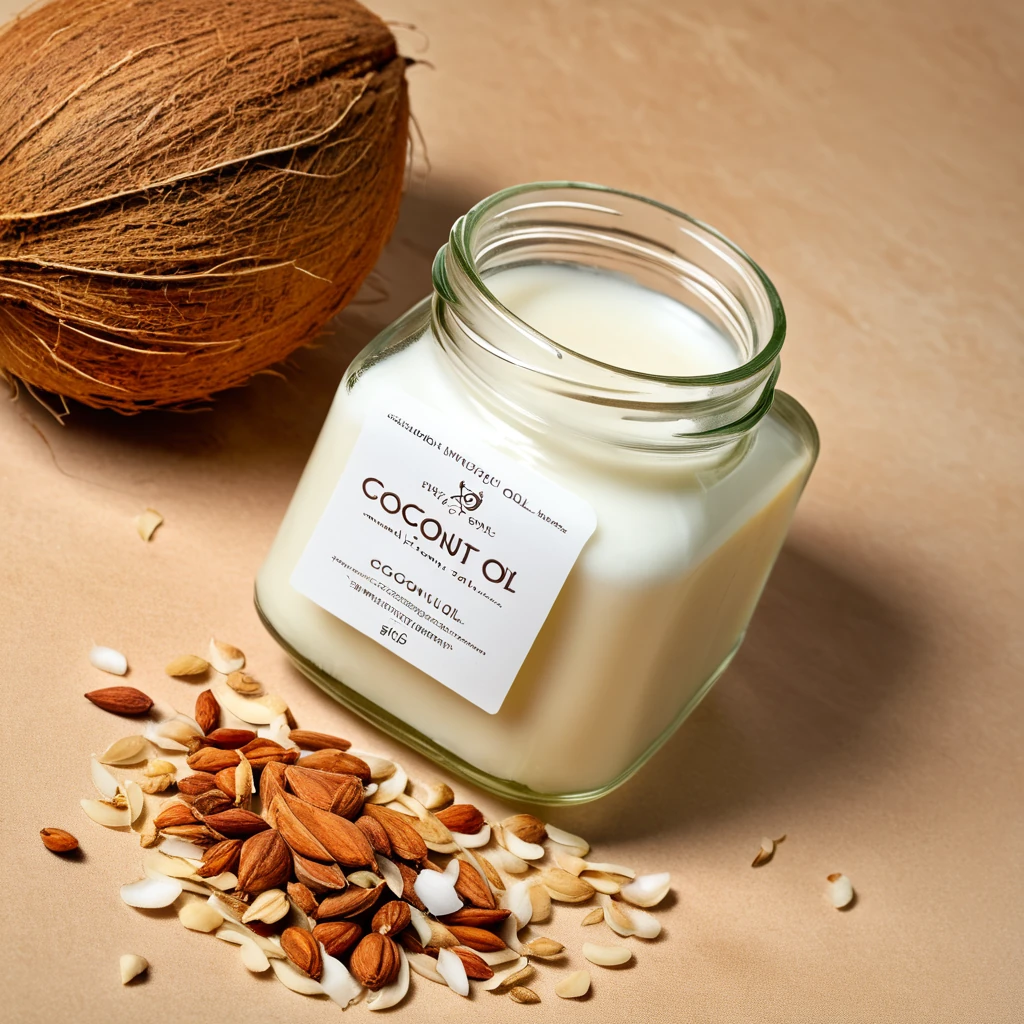
The World’s Most Controversial Natural Oil
Few natural products have generated more controversy than coconut oil. It has been simultaneously hailed as a miracle health food and condemned as a cardiovascular risk — and the debate continues in both scientific and popular circles. The truth, as with most complex topics in nutrition and natural health, lies somewhere in the nuance. And when it comes to topical (skin and hair) applications, the evidence is substantially more positive and less contested than for internal use.
Let’s look at what the science actually says — with clarity and without hype.
What Is Coconut Oil?
Coconut oil is extracted from the meat (flesh) of mature coconuts of the Cocos nucifera palm. It is unusual among plant oils because it is composed predominantly of saturated fatty acids — approximately 90% saturated fat, compared to olive oil’s 14% or sunflower oil’s 10%. This high saturated fat content is what makes coconut oil solid at room temperature and what drives much of the health debate.
The dominant saturated fat in coconut oil is lauric acid (C12) — a medium-chain fatty acid (MCFA) making up about 47% of the oil’s content. Lauric acid has unique metabolic properties that distinguish coconut oil’s saturated fats from those in animal products like butter and lard.
Types of Coconut Oil
- Virgin (unrefined) coconut oil: Cold-pressed from fresh coconut meat without heat or chemicals. Retains the coconut aroma, flavor, and full complement of bioactive compounds. Best choice for health and beauty purposes.
- Refined coconut oil: Processed to remove odor and flavor. Has a higher smoke point (suitable for higher-heat cooking) but reduced bioactive content.
- Fractionated coconut oil: A processed form that remains liquid at room temperature by removing long-chain fatty acids. Used primarily as a carrier oil in cosmetics and aromatherapy. Contains primarily caprylic and capric acids (C8/C10).
Coconut Oil for Skin: Strong Evidence
1. Eczema and Atopic Dermatitis
A well-designed randomized controlled trial published in the International Journal of Dermatology compared virgin coconut oil to mineral oil for treating childhood atopic dermatitis (eczema) and found virgin coconut oil significantly superior — improving skin hydration, reducing TEWL (transepidermal water loss, a measure of barrier function), and significantly reducing colonization with Staphylococcus aureus — bacteria that worsens eczema severity. This is robust, peer-reviewed evidence supporting coconut oil for eczema management.
2. Skin Moisturization and Barrier Function
Multiple studies confirm that virgin coconut oil is an effective moisturizer comparable to mineral oil. Its lauric acid content provides antimicrobial protection to the skin barrier, while its fatty acids restore the skin’s natural lipid matrix. For dry, damaged skin — particularly in arid climates like the UAE — coconut oil provides rich, lasting moisture that supports barrier repair over time.
3. Antimicrobial Properties
Lauric acid, when metabolized to monolaurin, has demonstrated potent antimicrobial activity against a wide range of bacteria, fungi, and viruses in laboratory studies. Virgin coconut oil’s ability to reduce S. aureus colonization on eczematous skin (as demonstrated in the clinical trial above) reflects this genuine antimicrobial mechanism in practice.
4. Anti-Aging and Antioxidant Properties
Virgin coconut oil contains phenolic compounds with antioxidant properties that help protect skin cells from oxidative damage — a primary driver of skin aging. Regular topical use helps maintain skin elasticity, reduce the appearance of fine lines, and protect against environmental aging factors.
Coconut Oil for Hair: Exceptional Evidence
Coconut oil’s benefits for hair are among the most scientifically solid in the natural beauty space. A landmark study published in the Journal of Cosmetic Science found that coconut oil is uniquely effective at preventing hair protein loss — outperforming both mineral oil and sunflower oil. This is because coconut oil’s molecular structure (particularly its lauric acid content, which has a high affinity for hair proteins) allows it to penetrate the hair shaft rather than just coating the surface.
- Pre-wash treatment: Applying coconut oil before washing significantly reduces protein loss during shampooing, which is one of the primary causes of hair damage and breakage.
- Deep conditioning: As an overnight hair mask, coconut oil provides intensive moisture and strengthening treatment for dry, damaged, or chemically treated hair.
- Frizz control and shine: As a finishing treatment on dry hair (small amount on ends), coconut oil reduces frizz and adds natural shine without the synthetic silicones found in commercial hair products.
- Scalp treatment: Antimicrobial properties help address dandruff and scalp infections.
Coconut Oil for Internal Health: A Nuanced Picture
The internal health picture for coconut oil is more complex:
The Cholesterol Question
Coconut oil significantly raises LDL cholesterol — a risk factor for cardiovascular disease. However, it also significantly raises HDL cholesterol (the “good” cholesterol). Whether coconut oil’s overall effect on cardiovascular risk is neutral, beneficial, or harmful is genuinely debated. The American Heart Association recommends limiting coconut oil due to its saturated fat content. However, populations with traditionally high coconut consumption (Pacific Islanders, Sri Lankans) tend to have excellent cardiovascular health — though this may reflect overall dietary and lifestyle patterns rather than coconut oil specifically.
The current evidence-based recommendation: enjoy coconut oil in moderation as part of a varied, whole-food diet, but do not replace olive oil or other unsaturated fat sources with coconut oil for cardiovascular health.
MCT Oil and Energy
Coconut oil contains medium-chain triglycerides (MCTs) that are metabolized differently from long-chain fatty acids — they go directly to the liver for rapid energy production rather than being stored as body fat. This is why MCT oil (a concentrated form of coconut oil’s MCTs) has become popular among athletes and people following ketogenic diets. However, the MCT content of regular coconut oil is moderate — those seeking significant MCT benefits should consider pure MCT oil.
Oil Pulling: An Ancient Practice
Oil pulling — swishing coconut oil in the mouth for 10–20 minutes — is an ancient Ayurvedic dental hygiene practice that has been studied in several clinical trials. Research shows it can significantly reduce levels of Streptococcus mutans (cavity-causing bacteria), reduce dental plaque, and improve gum health. While it should complement rather than replace conventional dental hygiene, oil pulling with coconut oil represents a reasonably evidence-backed natural oral health practice.
How to Use Coconut Oil
- For dry skin: Massage a small amount into skin after showering. Particularly effective on knees, elbows, heels, and other very dry areas.
- For eczema: Apply to affected areas 2–3 times daily after bathing. Consistent use over weeks shows the best results.
- For hair (pre-wash mask): Apply to dry hair 30–60 minutes before washing. Focus on mid-lengths and ends.
- For cooking: Best for medium-heat cooking (up to 177°C / 350°F for virgin coconut oil). Its flavor pairs particularly well with Asian, Indian, and Middle Eastern cuisine.
- For oil pulling: Use 1 tablespoon of virgin coconut oil, swish for 10–15 minutes on an empty stomach, then spit out (into a bin, not the sink — it can solidify in pipes). Never swallow oil pulling oil.
The Bottom Line
Coconut oil is a genuinely useful natural product — particularly for skin and hair, where its lauric acid content, antimicrobial properties, and ability to penetrate the hair shaft set it apart from most other oils. For internal use, enjoy it in moderation as part of a balanced diet rather than as a singular health food. Explore BTNaturals’ premium virgin coconut oil — cold-pressed for maximum nutrient retention and skin-compatible quality.